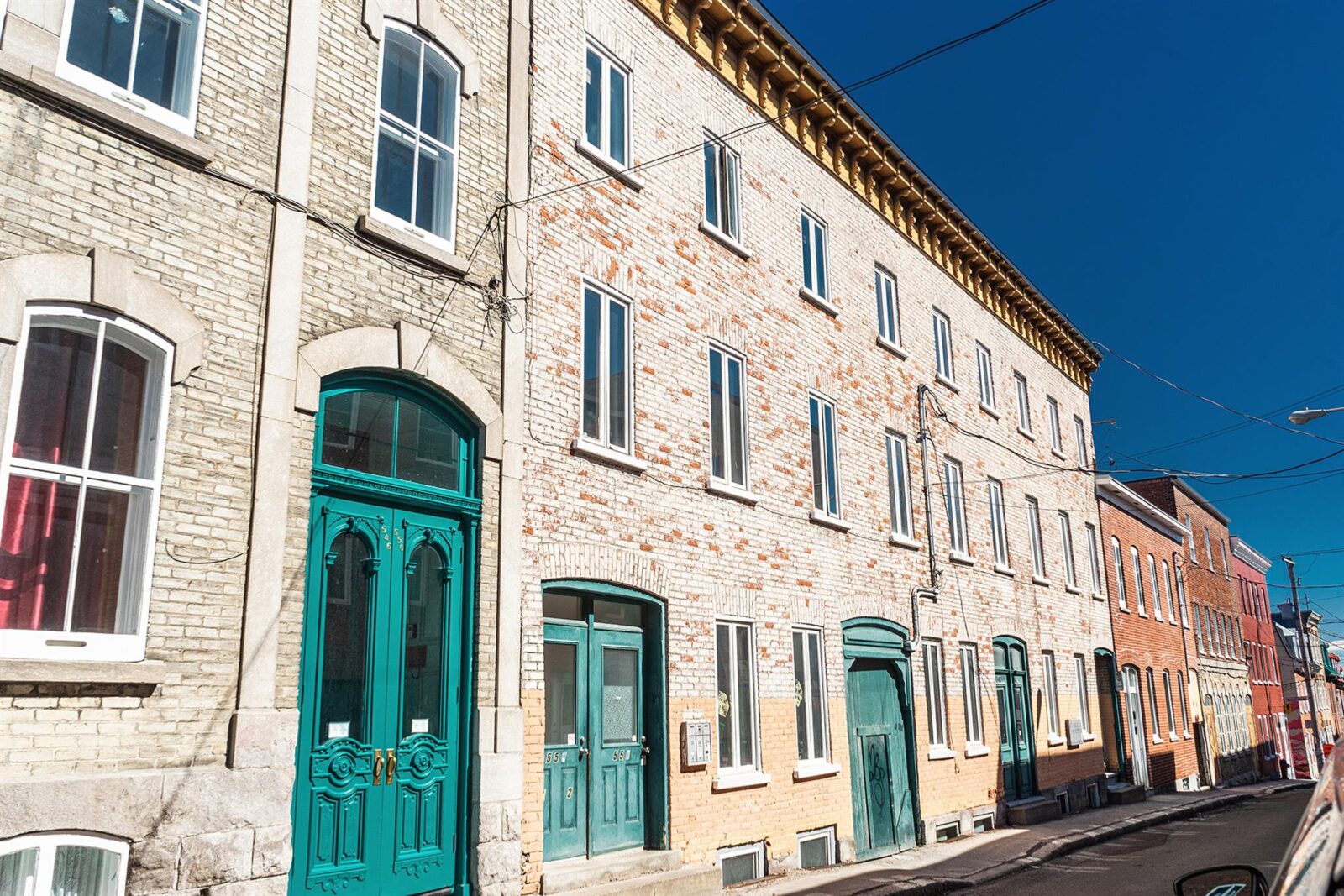
Every year, thousands of people move to Quebec City from other Canadian provinces, other countries, and other regions within Quebec itself. They arrive for new jobs, university programs, military postings, family reunions, entrepreneurial ventures, and the simple desire to live in one of North America’s most beautiful and livable cities. Whatever the reason that brings them, they all face the same immediate challenge — finding a quality rental home in an unfamiliar city with its own customs, regulations, language dynamics, and neighborhood personalities, often under time pressure and with limited local knowledge.
The experience of relocating to any new city is inherently stressful. Layering a competitive rental search on top of the dozens of other logistics that accompany a move — setting up utilities, registering vehicles, enrolling children in schools, navigating a new healthcare system, establishing banking relationships — creates a workload that can feel genuinely overwhelming. When the destination is a predominantly French-speaking city with a civil law system and tenant protections that differ fundamentally from the rest of Canada, the learning curve steepens further.
This guide is written specifically for people who are moving to Quebec City and need to find rental housing efficiently without the luxury of local connections, neighborhood familiarity, or months of leisurely exploration. It covers the practical realities that relocation guides typically overlook and provides the kind of insider knowledge that normally takes a year of living in the city to accumulate.
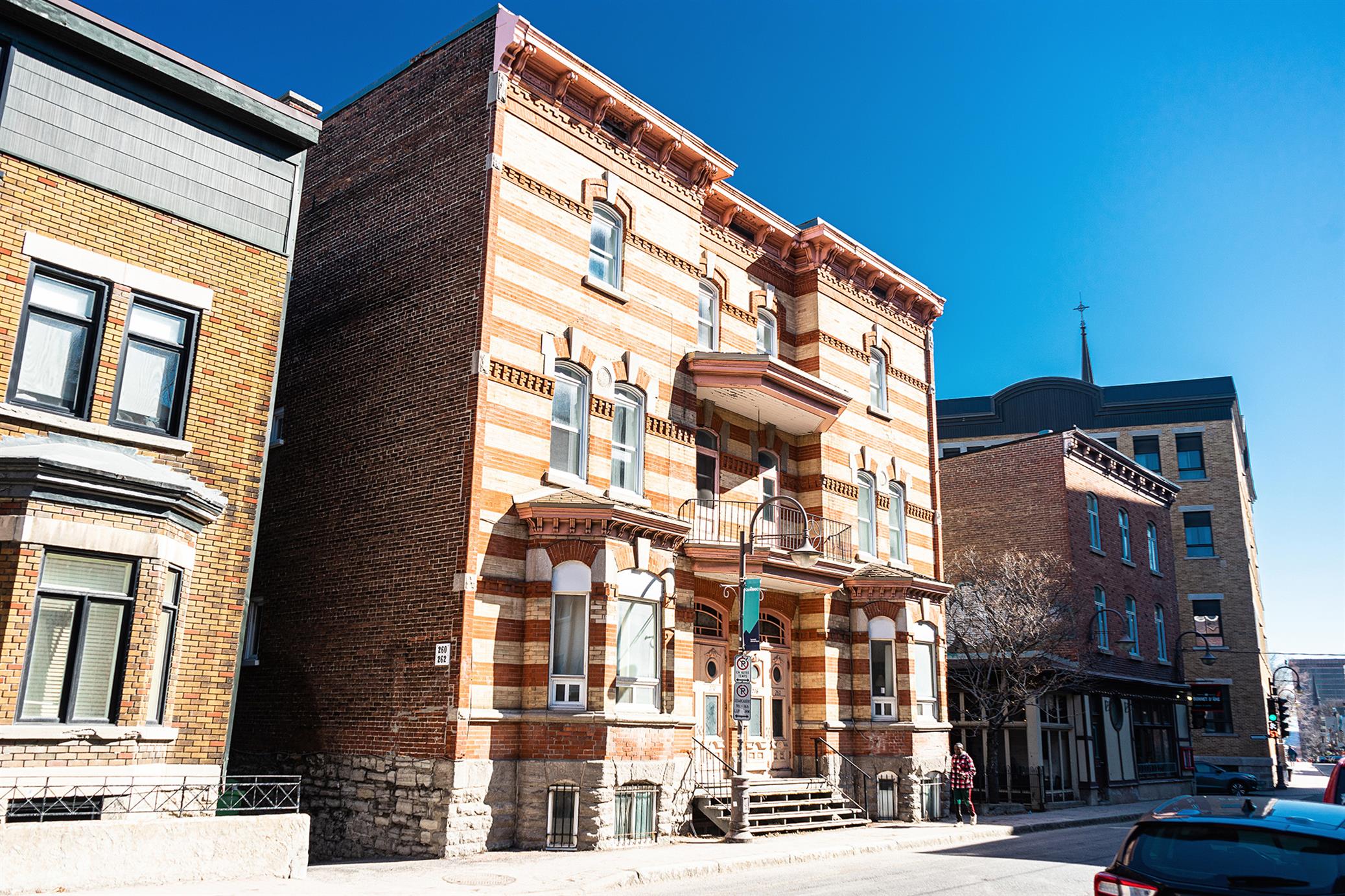
Understanding Quebec City’s Rental Market Before You Arrive
The single most important thing to understand about Quebec City’s rental market in 2026 is that it is tight. Vacancy rates have been hovering at or near historic lows for several years, and quality units in desirable neighborhoods attract multiple interested applicants within days of being listed. This is not a market where you can arrive, casually browse available options over several weekends, and eventually settle on something satisfactory. It is a market that rewards preparation, decisiveness, and the ability to present yourself as a strong candidate the moment you identify a suitable unit.
Begin your search remotely, ideally four to six weeks before your planned arrival date. Familiarize yourself with the major online rental listing platforms used in Quebec, which differ from those dominant in English Canada. Kijiji, Facebook Marketplace groups specific to Quebec City apartments, and local classified sites carry the majority of listings. Browse extensively to develop a sense of what is available in different neighborhoods at different price points. This research phase is not about finding your specific apartment — most units listed this far in advance will be rented by the time you arrive — but about calibrating your expectations, identifying your target neighborhoods, and understanding the relationship between price, location, and quality.
The rental calendar in Quebec is heavily influenced by the traditional July first moving day. The majority of leases begin on this date, and the busiest period for rental turnover runs from April through June. If your relocation timing aligns with this window, you will face maximum competition but also maximum choice. If you are arriving at other times of the year, the available inventory will be smaller but so will the competition, and landlords with vacancies outside the peak season may be more flexible on terms.
For newcomers unfamiliar with the Quebec City rental landscape, the listings and neighborhood information available through fredericmurraylocation.com and fredericmurrayrentals.com provide a reliable starting point for understanding current market conditions, available inventory, and the character of different residential areas across the city.
Choosing the Right Neighborhood When You Do Not Know the City
Selecting a neighborhood without the benefit of local knowledge is one of the most consequential decisions a newcomer makes. The wrong choice does not just mean a less-than-ideal commute or an inconvenient grocery run. It can mean isolation from the social and professional networks you need to build, daily frustration with noise or parking or transit access, and a living environment that makes the already challenging process of settling into a new city significantly harder.
The most practical approach for newcomers is to anchor your neighborhood selection around one or two non-negotiable priorities and then evaluate neighborhoods through that lens. For most relocators, the primary anchor is proximity to work or school. Minimizing your daily commute during the transition period reduces stress, saves time, and gives you the mental bandwidth to deal with the hundred other adjustments that accompany a major move.
If your work is in the government district around the Parliament and Grande Allée, neighborhoods like Montcalm, Saint-Jean-Baptiste, and the upper town offer walking or short transit commutes. These areas also provide the densest concentration of restaurants, cultural venues, and shops, making them particularly suitable for newcomers who want to explore the city’s lifestyle offerings from a convenient base.
If your work or studies are centered around Université Laval in Sainte-Foy, the surrounding neighborhoods offer proximity and typically more spacious units at lower price points than the central core. Families with school-age children often find this area appealing for its quieter streets, proximity to parks, and access to both French and English educational options.
If your work is in the technology sector concentrated in Saint-Roch, living in the neighborhood itself or in adjacent Limoilou puts you within walking or cycling distance of most tech employers while immersing you in the city’s most dynamic commercial and cultural energy. These neighborhoods attract the youngest and most diverse resident populations in Quebec City, which can make social integration easier for newcomers.
For those arriving from outside Quebec who may not yet be fluent in French, it is worth noting that while Quebec City is predominantly francophone, the daily reality is more nuanced than the reputation suggests. Service workers in central neighborhoods generally handle basic English interactions comfortably, and professional environments in government, technology, and academia are frequently bilingual. That said, making a genuine effort to communicate in French — even imperfectly — is universally appreciated and significantly accelerates social integration.
The neighborhood profiles and local insights shared through fredericmurraylocation.com and fredericmurrayproperties.com provide newcomers with the kind of granular, honest neighborhood assessments that tourist guides and real estate marketing materials rarely offer.

Conducting Your Rental Search From a Distance
Searching for a rental in a city you have not yet moved to requires a different approach than searching locally. You cannot easily attend open viewings, walk the neighborhood at different times of day, or knock on doors to ask about upcoming vacancies. You need to maximize the effectiveness of your remote search activities while planning a concentrated in-person search period that you can execute efficiently when you arrive.
Start by setting up automated alerts on the major listing platforms for units that match your criteria in your target neighborhoods. New listings in Quebec City’s tight market attract interest almost immediately, and having alerts ensures you see them as quickly as possible rather than discovering them days later when they are already spoken for.
When you identify promising listings, respond immediately with a well-crafted inquiry that communicates your reliability as a tenant. Include a brief introduction explaining who you are, why you are relocating to Quebec City, your anticipated move date, your employment situation, and your willingness to provide references and financial documentation. Landlords receiving dozens of inquiries naturally gravitate toward candidates who present themselves clearly and professionally from the first contact.
Request virtual viewings for units that interest you. Video calls have become increasingly accepted in Quebec’s rental market, particularly for out-of-town applicants. A landlord or property manager who is willing to walk you through the unit via video is demonstrating a level of professionalism and accommodation that bodes well for the management quality you can expect as a tenant.
Prepare your application package in advance so that you can submit it immediately if a virtual viewing goes well. This package should include proof of employment or income documentation, references from current or previous landlords with contact information, a copy of valid identification, and a brief cover letter reiterating your interest and your qualifications as a tenant. Having these materials organized and ready to send within hours of a viewing gives you a decisive advantage over competitors who need days to assemble their documentation.
If at all possible, plan a dedicated apartment-hunting trip to Quebec City. Even two or three days on the ground allow you to view units in person, walk the neighborhoods you are considering, assess transit routes, and meet potential landlords face to face. Schedule as many viewings as possible during this trip, prioritizing properties you have already identified remotely and leaving time for units that may appear on the market during your visit.
The rental coordination services connected to fredericmurraylocation.com and fredericmurraymanagement.com assist relocating tenants throughout this process, offering virtual viewings, efficient application processing, and the kind of responsive communication that makes a long-distance search significantly less stressful.
Navigating the Legal and Practical Differences That Catch Newcomers Off Guard
Quebec’s rental framework contains several provisions that differ substantially from what tenants in other provinces or countries may be accustomed to. Being caught off guard by these differences at a critical moment in your rental search or tenancy can cause unnecessary complications.
The prohibition on security deposits is perhaps the most surprising difference for newcomers from outside Quebec. In most Canadian provinces and in the vast majority of international rental markets, landlords routinely collect a damage deposit or security deposit at the beginning of the tenancy. In Quebec, this practice is prohibited for residential leases. A landlord may request the first month’s rent in advance but cannot require any additional deposit as security against potential damages. If a landlord asks for a security deposit, they are operating outside the law, and you have the right to refuse without consequence.
Lease renewal operates automatically in Quebec. Unlike jurisdictions where leases simply expire at the end of their term and either party can walk away, Quebec leases automatically renew at the same terms unless one party provides proper notice within the prescribed timeframes. For a twelve-month lease, the landlord must provide notice of any proposed changes — including rent increases — between three and six months before the lease expires, depending on the lease duration. The tenant then has one month to respond. Understanding these timelines from day one prevents the confusion and missed deadlines that trip up newcomers unfamiliar with the system.
The right to maintain occupancy is stronger in Quebec than in most other jurisdictions. A landlord cannot simply decline to renew your lease because they prefer a different tenant or want to raise the rent beyond what the current framework allows. Non-renewal by the landlord is permitted only in specific circumstances, such as personal occupancy by the landlord or a close family member, or major renovations that require the unit to be vacated. These provisions provide newcomers with significant housing stability once they secure a lease, which is particularly valuable during the unsettling transition period of a major relocation.
The Quebec lease form itself is standardized by the Tribunal administratif du logement. While landlords may add supplementary clauses, the core terms are prescribed by law, and any clause that contradicts the legal framework is void regardless of whether both parties signed it. Familiarize yourself with the standard lease form before signing anything, and do not hesitate to ask questions about any clauses you do not understand.
Professional landlords and management companies in Quebec, such as those operating through fredericmurraylocation.com, fredericmurrayrentals.com, and fredericmurrayimmeubles.com, use compliant lease agreements and transparent communication practices that make these legal provisions clear to every tenant from the beginning of the relationship.
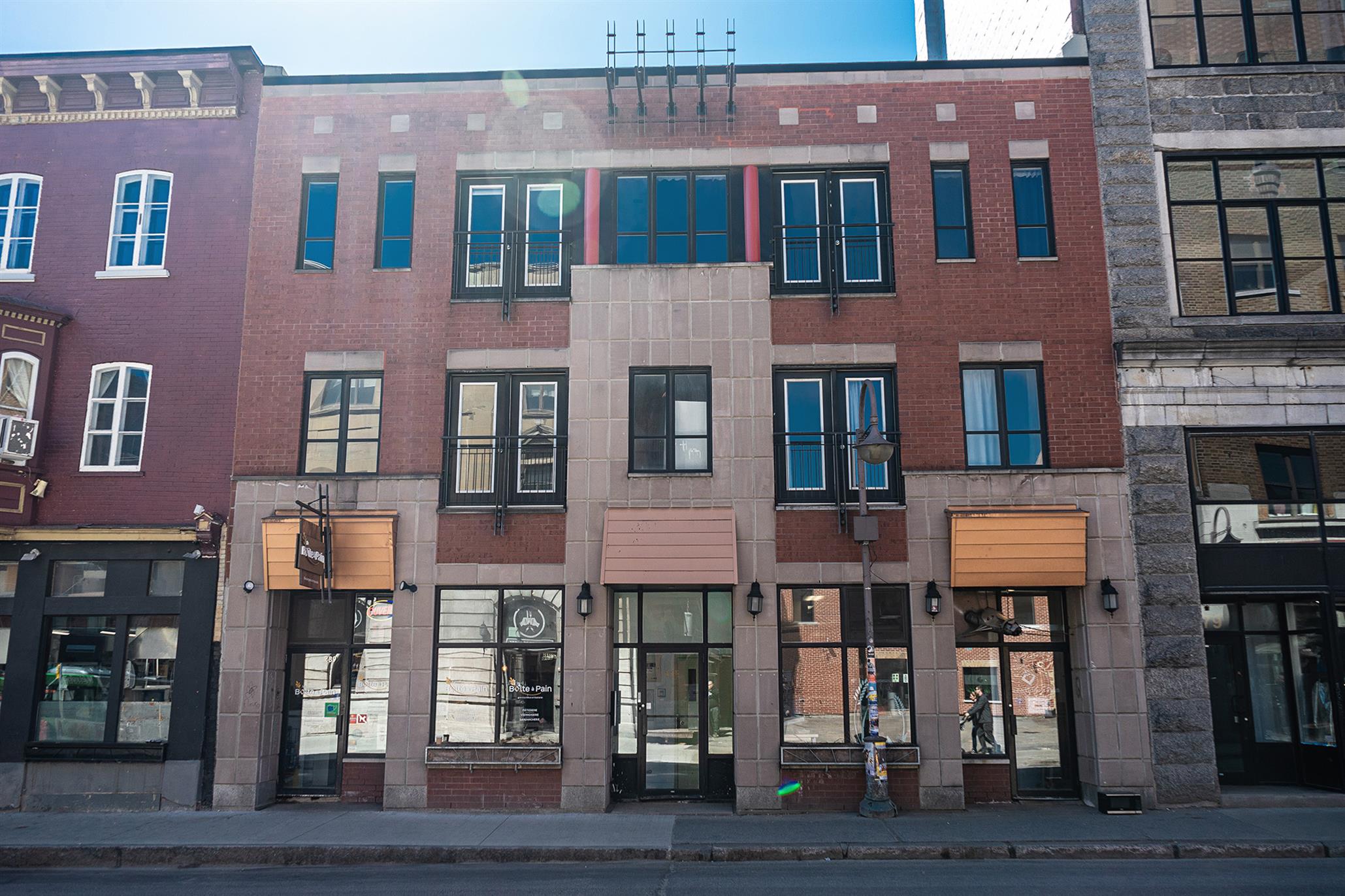
Building Your Life in Quebec City After You Have Found Your Home
Securing your rental is the most urgent task on your relocation checklist, but it is just the beginning of building a life in your new city. The first few months after settling into your apartment set patterns and create connections that shape your entire experience of living in Quebec City.
Register with the Régie de l’assurance maladie du Québec for your health insurance card as soon as possible after arriving. If you are moving from another Canadian province, there may be a waiting period before your Quebec health coverage activates. Maintain your previous provincial coverage during this gap and keep both cards accessible.
Open a local bank account if your current institution does not have a convenient presence in Quebec City. Desjardins, the cooperative financial group headquartered in Quebec, has the densest branch and ATM network in the city and offers services in both French and English. Having a local account simplifies rent payments, utility setup, and other financial logistics.
Explore your neighborhood deliberately and with curiosity during the first few weeks. Walk every street within a ten-minute radius of your home. Identify the nearest grocery stores, pharmacies, cafés, parks, and transit stops. Visit the local library, which in Quebec City offers not just books but community programs, cultural events, and a natural gathering point for meeting neighbors. Try different restaurants and shops. These small acts of exploration transform an unfamiliar neighborhood into a familiar one remarkably quickly.
Invest in your French language skills regardless of your current level. Quebec City offers numerous French language programs for newcomers, including government-subsidized courses specifically designed for immigrants. Even if your professional environment operates in English, daily life in Quebec City — shopping, socializing, navigating municipal services, and interacting with neighbors — is overwhelmingly conducted in French. Every improvement in your French proficiency reduces friction in your daily life and opens doors to social connections that would otherwise remain closed.
Connect with newcomer networks and community organizations. Quebec City has a growing infrastructure of welcome programs, cultural associations, and social groups designed to help new arrivals integrate. These organizations provide practical assistance with everything from navigating government services to finding family doctors, and they offer social connections with people who understand the unique challenges and rewards of building a new life in an unfamiliar city.
The Frédéric Murray network understands that finding a rental is just the first step in a newcomer’s journey. The commitment to tenant satisfaction and community building that characterizes properties managed through fredericmurraylocation.com, fredericmurraymanagement.com, and fredericmurrayrentals.com extends beyond the transaction to genuine care for the people who make their homes in Murray-managed buildings. Whether you are arriving from across the country or across the ocean, the Murray approach — reflected across fredericmurrayestates.com, fredericmurrayhomes.com, fredericmurrayproperties.com, murrayimmeuble.com, murrayimmeubles.com, and fredericmurrayimmeubles.com — is built on the conviction that a great rental experience begins with a great relationship, and great relationships begin the moment someone decides to make Quebec City their home.





Leave a comment