
Every serious real estate professional will tell you the same thing: the three most important factors in real estate are location, location, and location. It is one of the most repeated phrases in the industry — and one of the most consistently underapplied pieces of advice buyers actually follow when it matters. When the right property appears in the wrong location, buyers rationalize. They minimize the location’s shortcomings and amplify the property’s appeal. It almost never ends well.
In 2026, choosing the right location is both more important and more nuanced than it has ever been. Remote work flexibility has reshuffled the geography of desirable living. Infrastructure investment is creating new growth corridors. Demographic shifts are accelerating demand in some markets and hollowing out others. And buyers who understand how to read these signals have a meaningful advantage over those who rely on general impressions and real estate instinct.
At Frédéric Murray Location, our approach to property search starts with location analysis — not listing searches. Here is the framework we use and the one we believe every buyer and investor should apply in 2026.
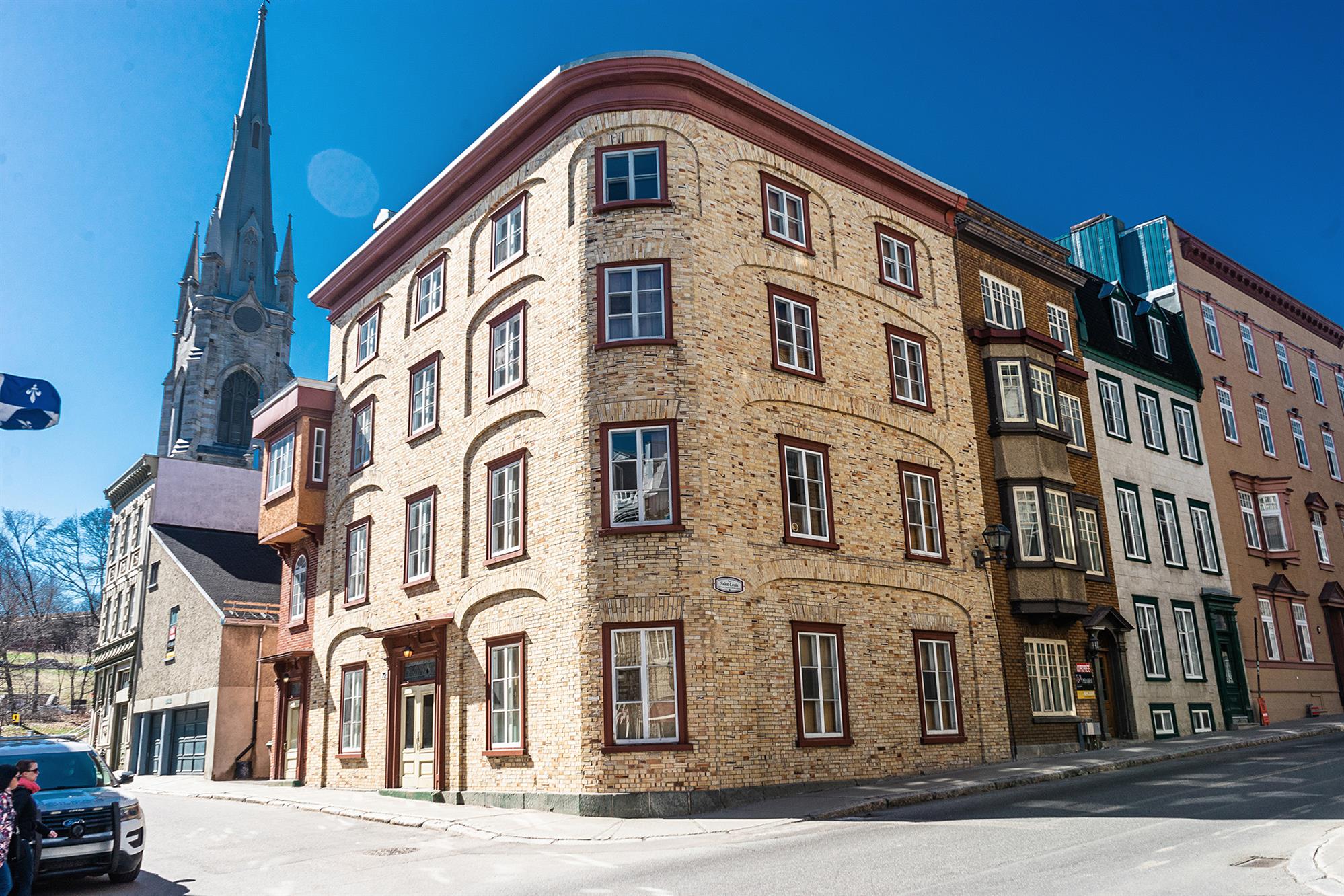
Why Location Outperforms Everything Else Over Time
A property’s physical attributes — its size, layout, finishings, and features — can all be changed. Rooms can be renovated. Systems can be replaced. Kitchens and bathrooms can be transformed. What cannot be changed is where a property sits. Its relationship to the city around it, the infrastructure serving it, the neighborhood it belongs to, and the trajectory of the market it occupies are all fixed at the moment of purchase.
This is why two nearly identical homes — same size, same age, same condition — can perform completely differently as investments over a ten-year period. One sits in a neighborhood that absorbed infrastructure investment, attracted employer growth, and saw sustained demand from an expanding population. The other sits in a market that stagnated, lost employment anchors, and saw population drift toward more dynamic areas. The properties are comparable. The locations are not.
In 2026, the gap between strong and weak locations is widening. Markets that are benefiting from population inflows, infrastructure investment, and economic diversification are pulling ahead. Markets dependent on single employers, declining industries, or aging demographics are falling behind. The investors and buyers who understand this dynamic — and act on it — are the ones who will look back on 2026 as a year they made excellent decisions.
The Five Pillars of Location Analysis
Choosing the right location in 2026 is not about gut feeling or aesthetic preference. It is a structured analysis of five core factors that collectively determine how a location will perform over your holding period.
Pillar One: Employment and Economic Base
The single most reliable predictor of sustained real estate demand in any market is employment. Where people work determines where they live, and the strength, diversity, and growth trajectory of a market’s employment base determines whether housing demand will grow, stagnate, or decline over time.
In 2026, the employment markets generating the strongest real estate performance are those with diversified economic bases — combinations of technology, healthcare, financial services, post-secondary education, and government employment that are not dependent on any single sector or employer. Single-industry towns carry concentration risk that diversified markets do not.
Look for markets where major employers are expanding, not contracting. Where new businesses are being established at a healthy rate. Where post-secondary institutions are growing enrollment and attracting research investment. These are the indicators of an employment base that will sustain and grow housing demand over the next decade.
Pillar Two: Population Growth and Migration Patterns
Employment drives population growth, and population growth drives housing demand. But migration patterns in 2026 have additional layers worth understanding. Remote work flexibility has allowed a meaningful segment of the workforce to decouple their place of residence from their place of employment — and they are moving.

The markets absorbing the most significant population inflows in 2026 are mid-size cities offering a combination of relative affordability, quality of life amenities, reliable infrastructure, and access to outdoor recreation. These markets are growing faster than their large urban counterparts, and their real estate markets are responding accordingly.
For buyers and investors, the key questions are: Is this market growing or shrinking? What is driving that growth — and is it sustainable? What age cohorts are arriving, and what housing types do they demand? These questions are answerable with publicly available data, and the answers are worth seeking before committing capital.
Pillar Three: Infrastructure Investment
Infrastructure investment is one of the most reliable leading indicators of neighborhood and market appreciation. When governments — municipal, provincial, or federal — commit capital to infrastructure in a specific area, they are making a public statement about that area’s future. Transit expansions, highway improvements, new hospital and educational facilities, commercial corridor redevelopment, and waterfront or park infrastructure all signal that a location is being prioritized for growth.
In 2026, several of the most significant real estate appreciation stories are unfolding along new transit corridors. Properties within walking distance of new transit stations have historically appreciated meaningfully ahead of their surrounding markets — both before and after the infrastructure opens. Identifying these corridors before the market fully prices in the infrastructure premium is one of the most effective location-based investment strategies available.
Municipal planning documents — official plans, zoning amendments, environmental assessments, and capital budgets — are publicly available and reveal exactly where governments are directing investment. Reading these documents, or working with advisors who do, provides insights that are not visible in the current listing market.
Pillar Four: Neighborhood Quality and Trajectory
Every city contains neighborhoods at different stages of their evolution. Some are established, stable, and command premium pricing that reflects their long-term track record. Some are improving — experiencing reinvestment, new business activity, and rising demand that has not yet been fully reflected in pricing. Some are stagnant or declining.
The highest return opportunities are typically found in neighborhoods that are improving — where the trajectory is clearly positive but the pricing has not yet caught up to where the neighborhood is heading. Identifying these neighborhoods before the broader market does requires local knowledge, regular observation, and the ability to distinguish genuine reinvestment signals from cosmetic optimism.
Signals of genuine neighborhood improvement include new restaurant and retail openings oriented toward a different demographic than the existing customer base, renovation activity on residential properties, new development applications in the area, increased school enrollment, declining vacancy in commercial spaces, and rising average rents even before ownership prices reflect the trend.
Signals of neighborhood decline are equally readable: long-term vacancy in retail, deteriorating public infrastructure, school closures, population outflow, and the absence of new investment from either the private or public sector.
Pillar Five: Supply and Demand Dynamics
The most fundamental driver of real estate value in any market is the relationship between housing supply and housing demand. Where demand consistently exceeds supply — because geographic constraints, zoning restrictions, or development costs limit new construction — prices and rents trend upward over time. Where supply can expand freely to meet demand, pricing power is limited.
In 2026, many of Canada’s and North America’s most desirable urban markets remain structurally undersupplied. Zoning constraints, development timelines, construction cost inflation, and community opposition to density all limit the supply response even when demand is strong. Buyers and investors who acquire property in these markets are benefiting from a structural tailwind that legislation and planning processes have not resolved — and may not resolve for many years.
Understanding the supply pipeline in your target market — what is currently under construction, what has been approved, what has been proposed but not yet approved — gives you a realistic picture of how the supply-demand balance will evolve over your holding period.
Location Mistakes That Cost Buyers in 2026
Even buyers who understand the importance of location make avoidable mistakes. These are the most common ones the team at Frédéric Murray Location sees in the current market.
Buying at the edge of a desirable area and assuming it will appreciate like the core. The “halo effect” of a strong neighborhood does not extend indefinitely. A property that is technically described as being in a sought-after area but is actually on its outer boundary — separated from the core by major roads, industrial land, or significantly different housing stock — will not perform like property within the genuine core. Buy on the right side of the boundary.
Prioritizing the property over the street. Within any neighborhood, individual streets vary meaningfully in desirability, noise, traffic, and character. A house on a quiet, tree-lined residential street performs differently than an identical house on a arterial road two blocks away. These differences are real, they are persistent, and they are reflected in the resale market.
Ignoring what is coming. The current state of a location matters — but what is coming matters more for long-term performance. A buyer who purchases in a neighborhood that looks fine today but has a major development application under review, a zoning change pending, or a significant land use transition underway may find their property’s appeal and value affected in ways they did not anticipate. Checking municipal planning records before you buy is a few hours of work that can save years of regret.
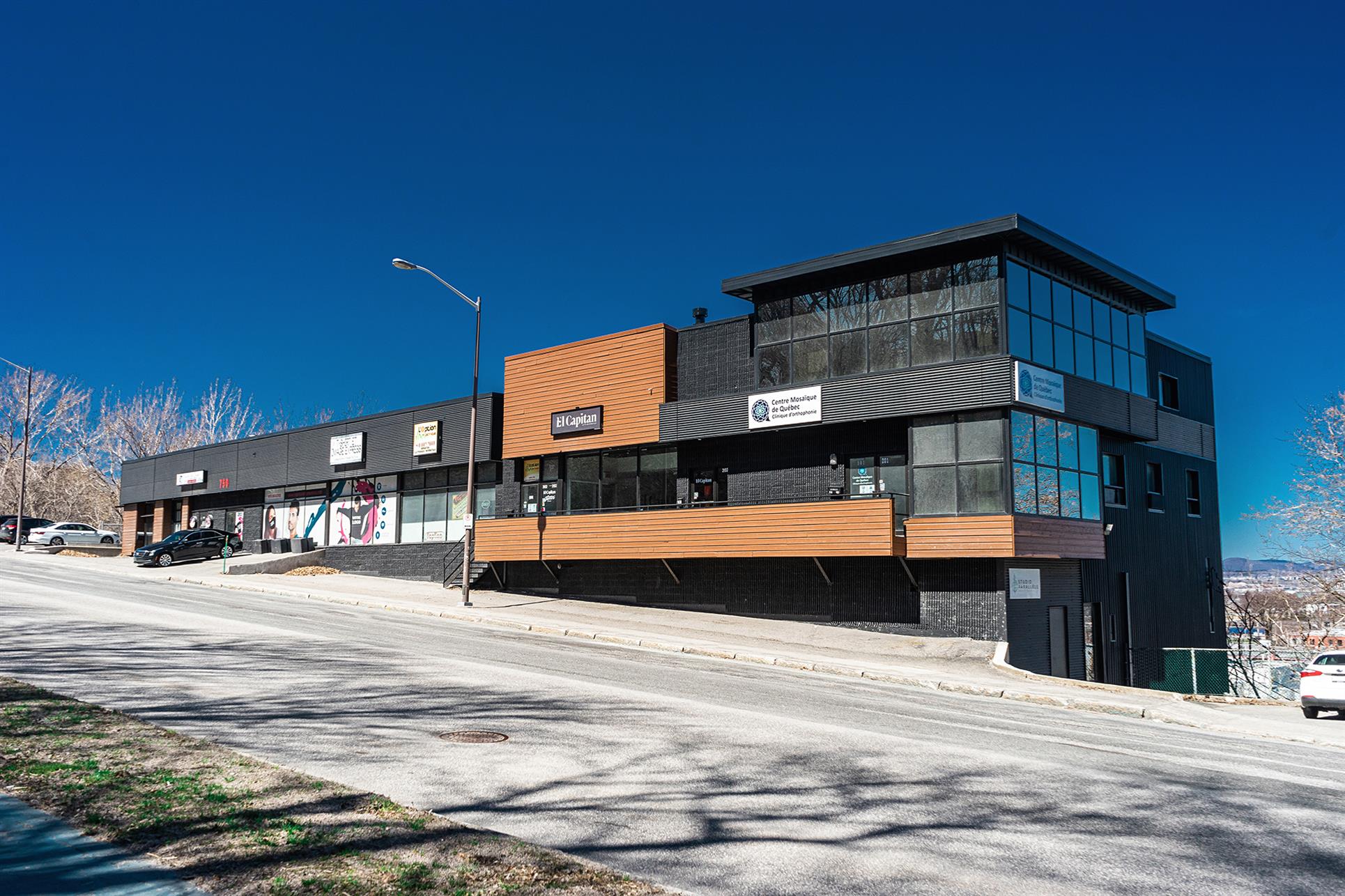
Letting commute assumptions drive location decisions without testing them. A property that appears to be a reasonable commute distance from a major employment center on a map may involve a daily commute that is genuinely punishing in practice. Test the commute at rush hour, not at 11 AM on a Saturday, before making a decision.
How to Apply This Framework to Your Search
Location analysis of this depth can feel overwhelming — but it does not need to happen all at once. The process is cumulative. You begin by identifying the markets and neighborhoods that meet your strategic criteria. You research the five pillars for each candidate location. You narrow the list based on what the data reveals. And then — and only then — you begin evaluating individual properties within the locations that have passed your analysis.
This sequence — location first, property second — is the discipline that separates buyers who consistently make strong real estate decisions from those who find themselves rationalizing a property they fell in love with before they did the work.
At Frédéric Murray Location, location analysis is where every client engagement begins. We bring the market intelligence, the local knowledge, and the professional network to help you identify the right location with confidence — so that when you find the right property, you can move on it decisively. Visit fredericmurraylocation.com to start your search the right way.





Leave a comment