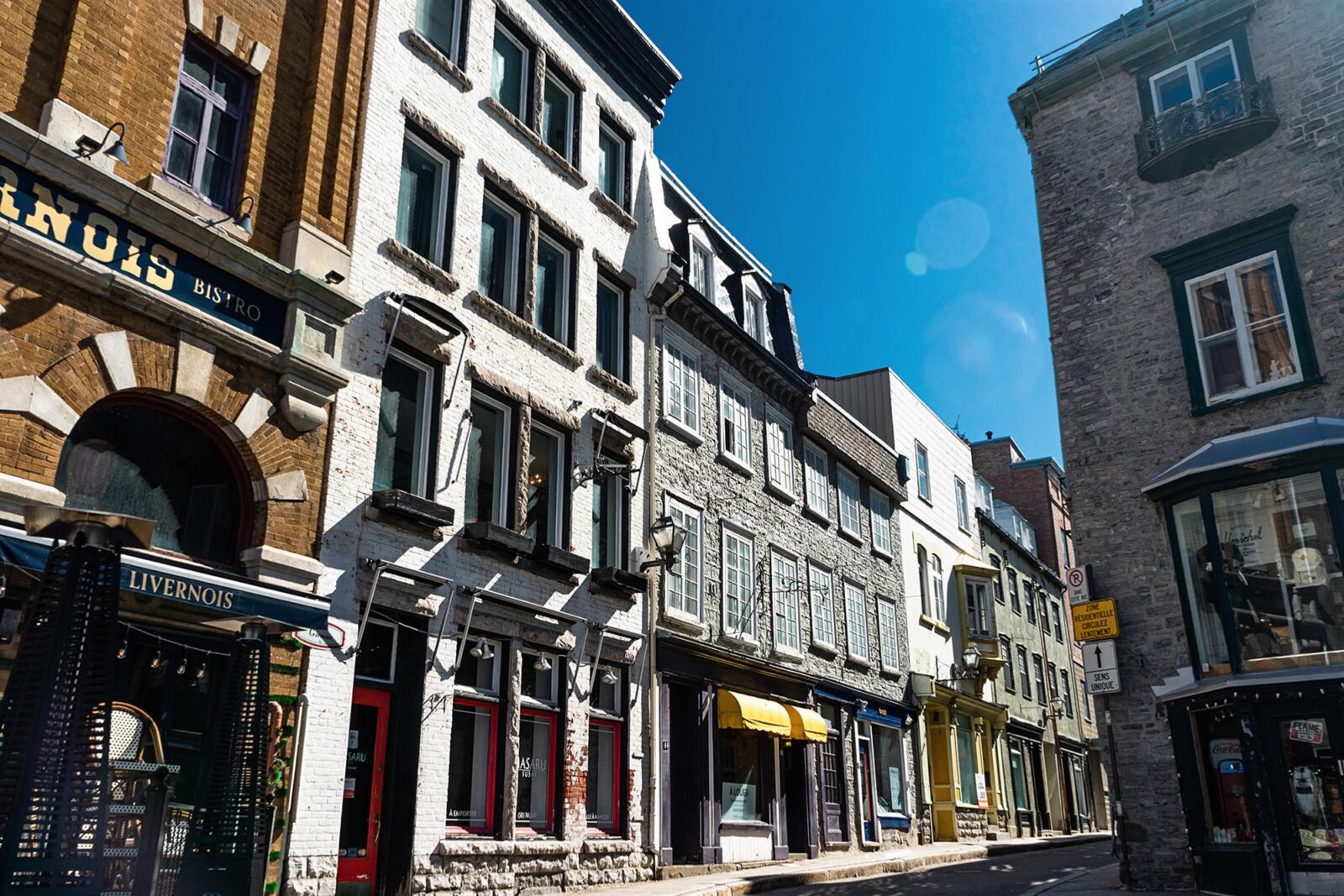
The rental landscape across Canada has changed dramatically in recent years, and 2026 has brought tenant expectations to a level that many landlords are still catching up with. Renters today are not simply looking for four walls and a roof at a reasonable price. They are evaluating properties with the same scrutiny that buyers apply to purchases, comparing options across online platforms, reading reviews, and making decisions based on factors that extend well beyond monthly rent. Landlords who understand what tenants actually prioritize are filling vacancies faster, retaining residents longer, and commanding stronger rental rates.
Responsive and Transparent Communication
The single most consistent complaint tenants raise about their rental experience is poor communication from landlords or property managers. Unanswered maintenance requests, vague timelines for repairs, and difficulty reaching someone during emergencies are frustrations that drive tenants to leave even when they are otherwise satisfied with their unit.
In 2026, tenants expect communication channels that match how they interact in every other area of their lives. Text messaging, email, and online maintenance request portals have replaced the expectation of phone calls during business hours. Landlords who offer multiple contact methods and respond within 24 hours to non-emergency requests build trust that translates directly into lease renewals.
Property management teams like those at Frédéric Murray Management have invested in communication systems that give tenants visibility into the status of their requests, reducing frustration and creating a more professional rental experience.
Well-Maintained Common Areas and Building Cleanliness
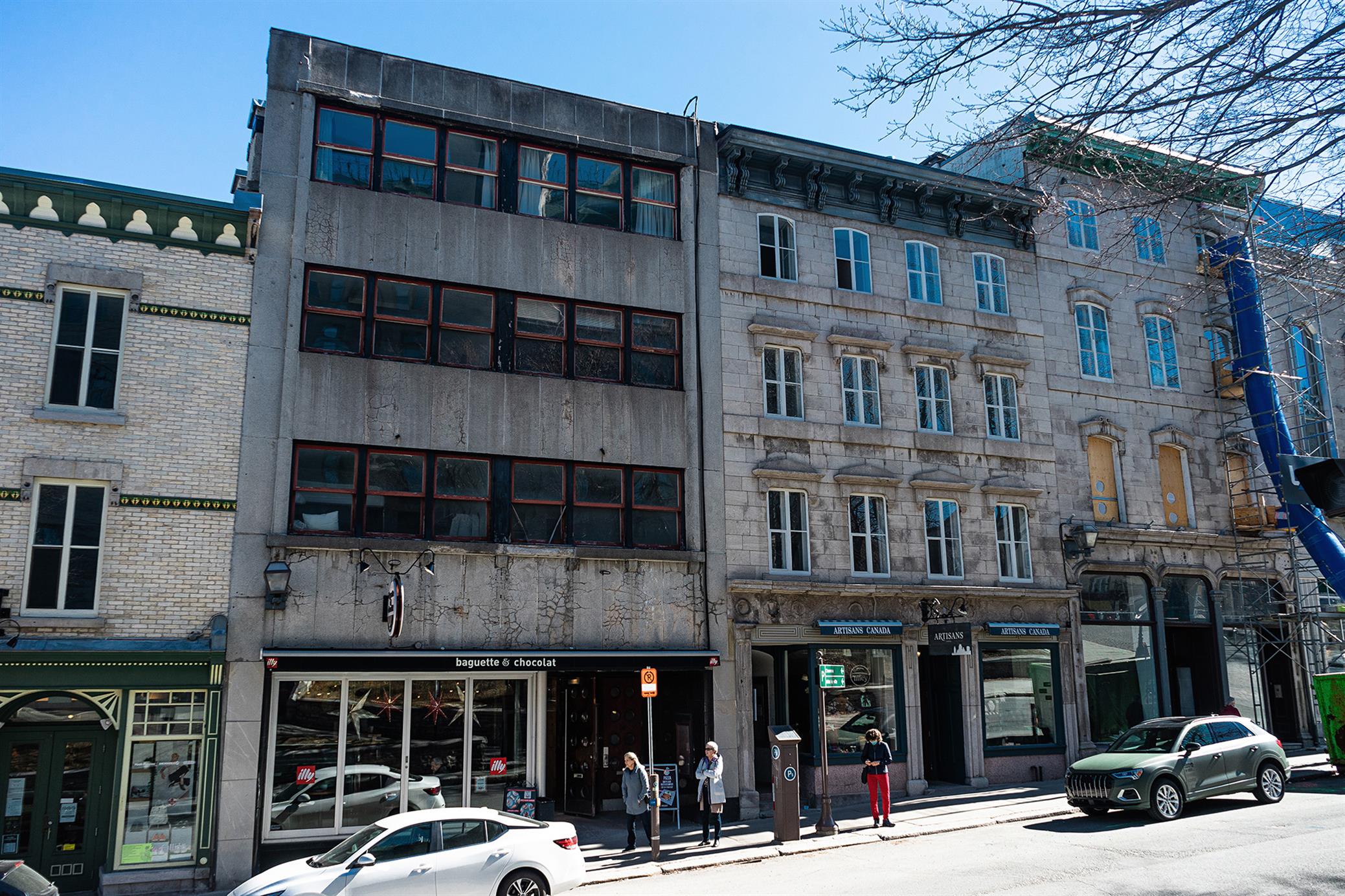
First impressions matter, and for tenants living in multi-unit buildings, the condition of hallways, stairwells, lobbies, laundry rooms, and exterior grounds shapes their daily experience. A clean, well-lit, and properly maintained building communicates that the landlord takes ownership seriously and respects the people living there.
Tenants notice details that landlords sometimes overlook. Burned-out hallway lights, overflowing recycling bins, stained carpeting in common areas, and unkempt landscaping all signal neglect. These small failures accumulate over time and erode tenant satisfaction even when individual units are in good condition.
Buildings within the Murray Immeubles network prioritize regular common area maintenance schedules that address these details proactively rather than reactively. The result is a building environment that tenants feel proud to call home, which directly supports occupancy rates and positive word-of-mouth referrals.
In-Unit Quality and Functional Upgrades
Tenants in 2026 are not necessarily demanding luxury finishes, but they do expect functional quality. Kitchen appliances that work reliably, adequate water pressure, properly sealed windows, and sufficient electrical outlets are baseline expectations. When these basics are met, tenants are far more forgiving of cosmetic imperfections like older cabinetry or dated tile.
The upgrades that tenants value most tend to be practical rather than aesthetic. In-unit laundry connections, improved storage solutions, energy-efficient lighting, and modern thermostats rank higher on tenant wish lists than granite countertops or designer fixtures. Landlords who invest in functional improvements see better returns in both tenant satisfaction and rental pricing power.
Properties listed through Frederic Murray Rentals and Frédéric Murray Immeubles demonstrate how targeted functional upgrades can differentiate a rental unit in a competitive market without requiring the capital expenditure of a full renovation.
Safety and Security Features
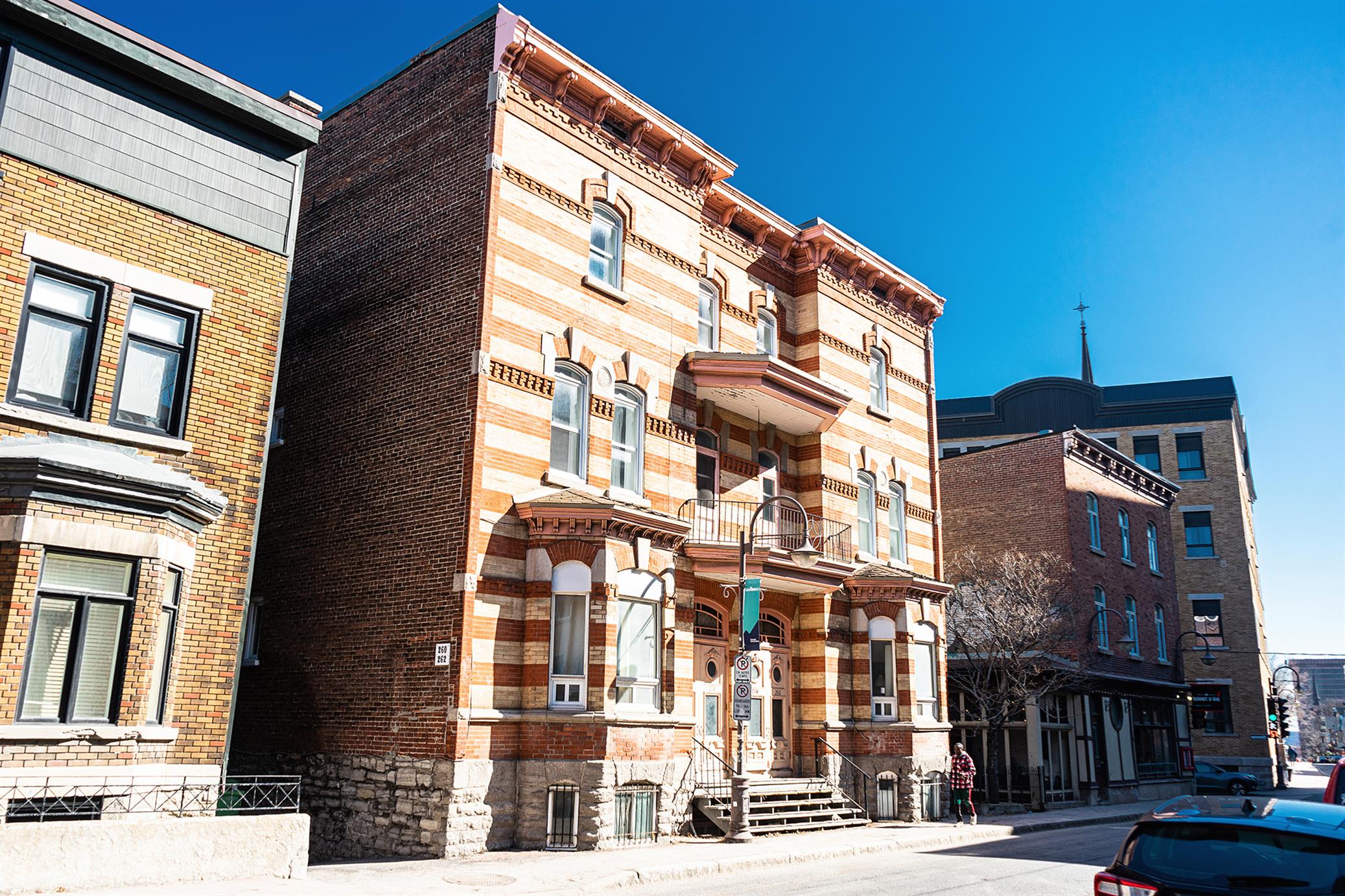
Personal safety is a priority that tenants weigh heavily when choosing where to live. Secure building entry systems, well-lit parking areas, functioning locks on all doors and windows, and working smoke and carbon monoxide detectors are expectations, not extras. In multi-unit buildings, tenants also value intercom or video entry systems that allow them to verify visitors before granting access.
Quebec regulations require specific safety standards for multi-unit residential buildings, including fire alarm systems, emergency lighting, and clearly marked exits. Buildings that exceed minimum requirements, for instance by adding security cameras in common areas or providing individual unit alarm options, attract tenants who are willing to pay a premium for peace of mind.
Landlords who treat safety as a core feature of their rental offering, rather than a regulatory checkbox, build stronger reputations in the market. Resources from Frédéric Murray Properties regularly emphasize how safety investments correlate with tenant retention and overall building performance.
Fair and Predictable Pricing
Tenants understand that rents increase over time, but they value transparency and predictability in how those increases are communicated and applied. Unexpected or excessive rent hikes are among the top reasons tenants choose not to renew their leases. In Quebec, where the Tribunal administratif du logement provides guidelines for annual rent adjustments, landlords who follow established frameworks and communicate increases well in advance maintain stronger tenant relationships.
Beyond the base rent, tenants are paying close attention to the total cost of occupancy. Hidden fees for parking, storage, laundry, or utilities that were not clearly disclosed during the leasing process create resentment and erode trust. The most successful landlords in 2026 present all-in pricing transparently from the first showing, eliminating surprises that sour the tenant experience.
Investors and owners working with Murray Immeuble and Frédéric Murray Estates understand that fair pricing strategies are not about charging less but about building trust through honesty and consistency.
Community and Lifestyle Fit
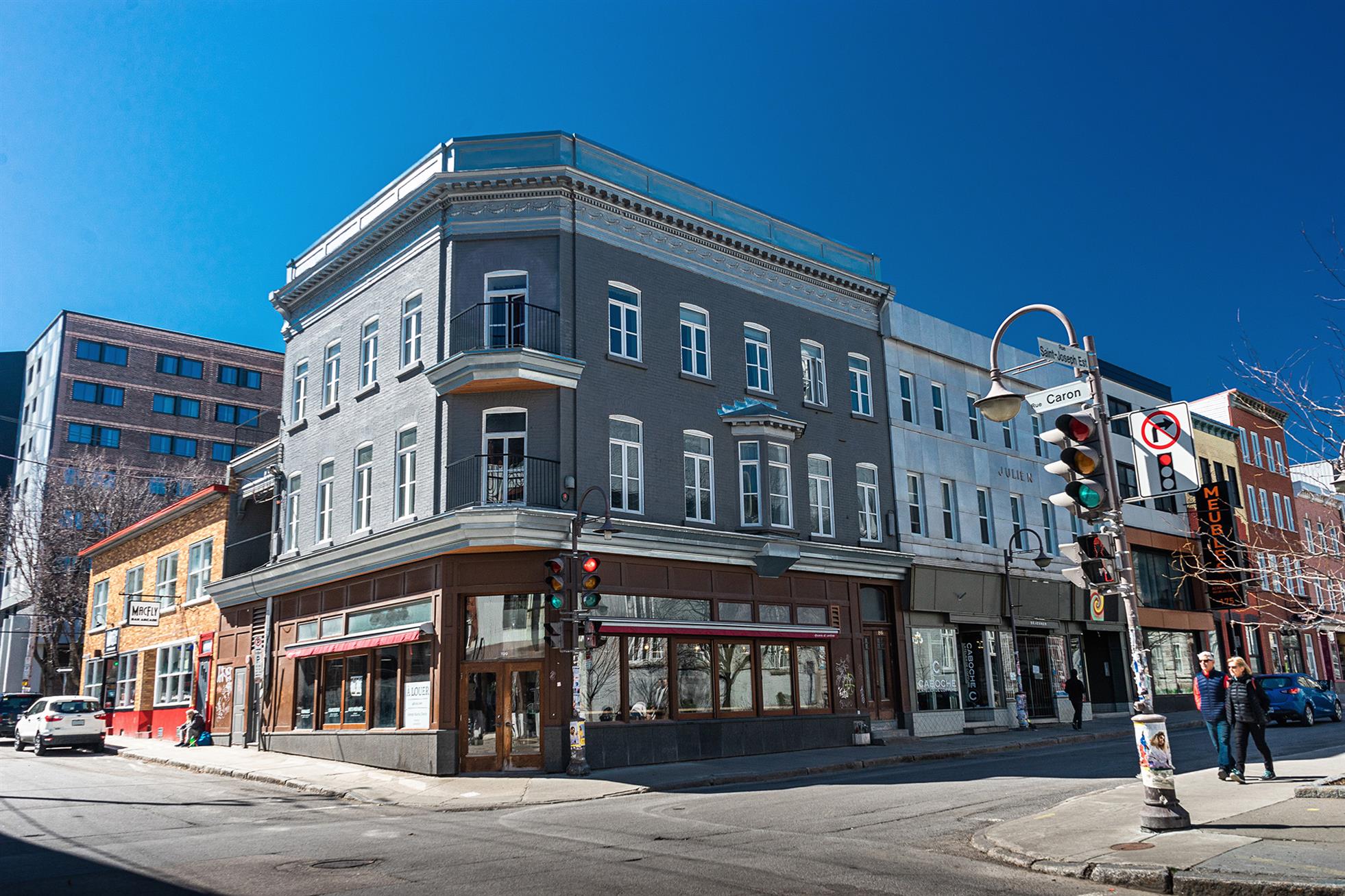
An increasingly important but often underestimated factor in tenant decision-making is whether the building and neighborhood align with their lifestyle. Young professionals want proximity to dining, nightlife, and coworking spaces. Families prioritize quiet streets, nearby schools, and parks. Retirees look for accessibility features, ground-floor units, and low-maintenance living.
Landlords who understand their target tenant demographic and tailor their marketing, unit configurations, and building amenities accordingly fill vacancies more efficiently. A building near a university that offers furnished units with included internet attracts a very different tenant than a heritage building in a quiet residential neighborhood marketed toward long-term professional tenants.
Neighborhood context matters as much as the building itself. Tenants evaluate nearby transit access, grocery options, healthcare facilities, and green spaces as part of their rental decision. Properties positioned in neighborhoods with strong lifestyle infrastructure, such as those highlighted through Frederic Murray Homes, appeal to tenants who are choosing a community, not just an apartment.
The landlords and property managers who thrive in the 2026 Canadian rental market are those who recognize that tenant expectations have permanently elevated. Meeting these expectations is not about spending more on every property but about being intentional with investments, transparent in communication, and attentive to the details that shape daily living. When tenants feel respected and well-served, they stay longer, take better care of their homes, and recommend the building to others, creating a cycle that benefits everyone involved.



Leave a comment