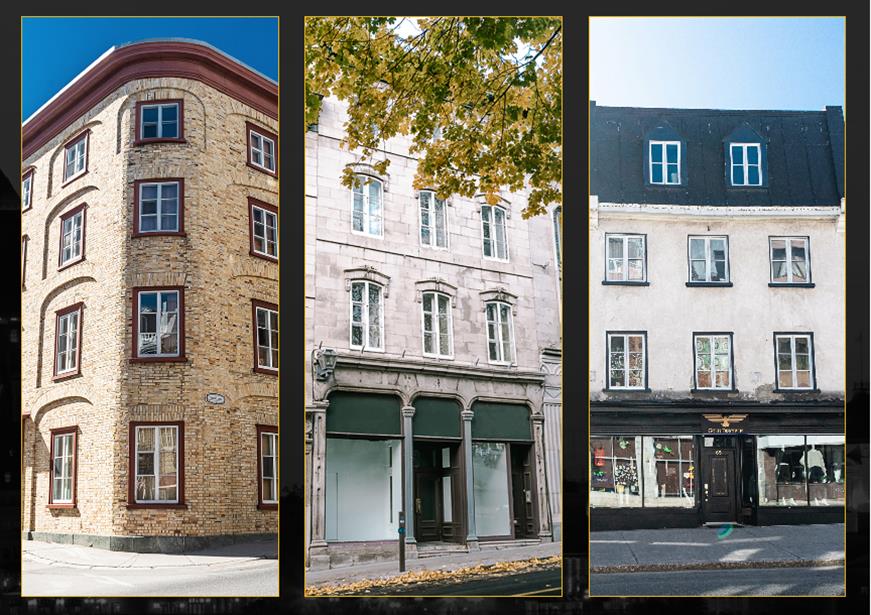
Searching for an apartment in Quebec City in 2026 looks nothing like it did five years ago. Vacancy rates remain at historic lows, well-priced units rent within days, and quality landlords often pick from multiple qualified applicants rather than waiting for one. For renters, this means the casual approach — browsing listings on a weekend and emailing whichever looks nicest — no longer works. The renters who land good apartments this year arrive prepared, move quickly, and present themselves like serious candidates.
This playbook walks through the realities of the 2026 Quebec City rental market, where to look by lifestyle and budget, how to assemble a complete application package, what to watch for during visits, and how to time your search so the market works with you rather than against you.
The Quebec City Rental Market in 2026
A few realities shape every search this year.
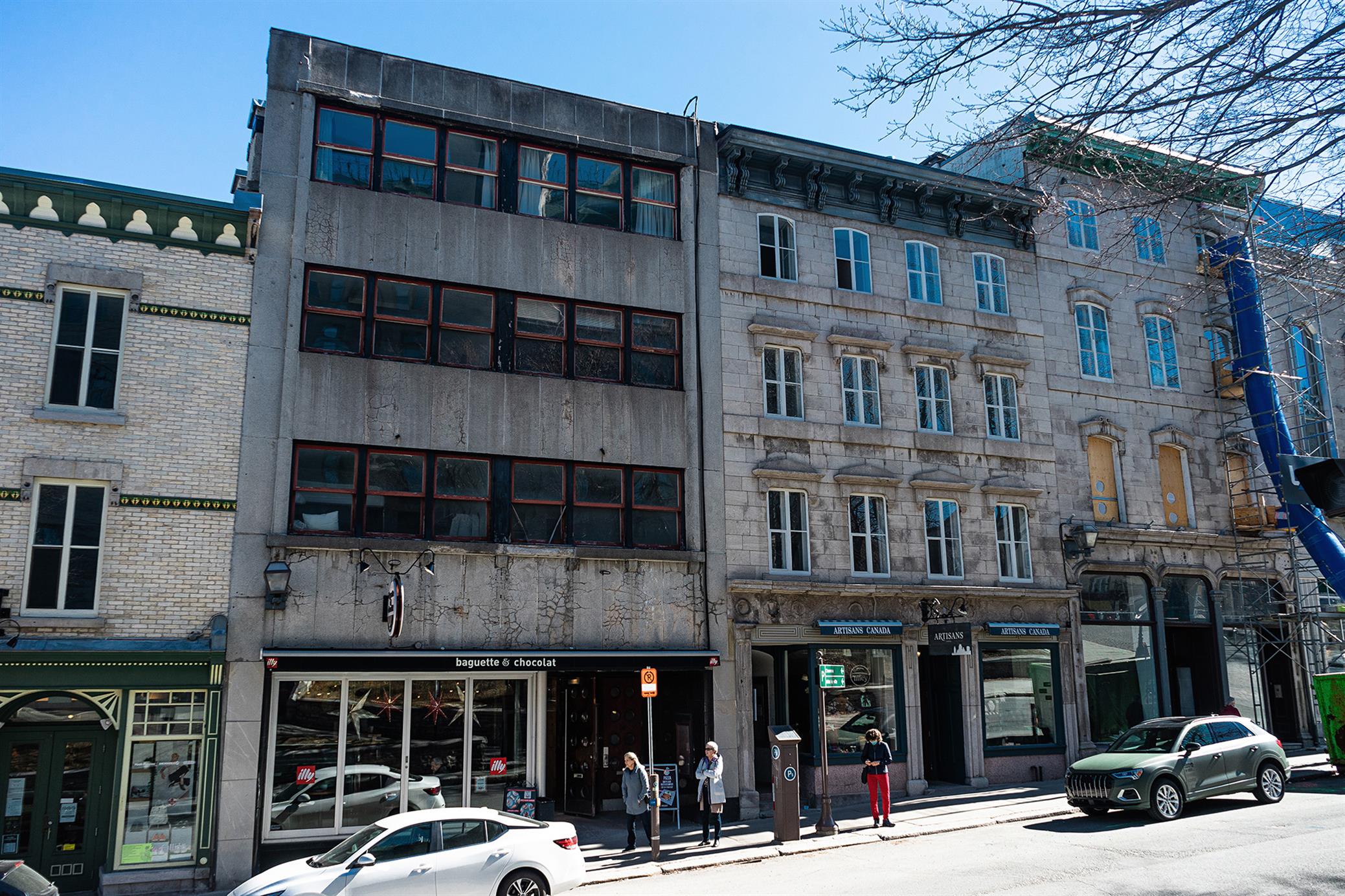
Vacancy is low and competition is real. The city’s overall vacancy rate has stayed under 2% for three consecutive years. In the most sought-after neighborhoods — Montcalm, Saint-Jean-Baptiste, Limoilou, and the streets near Université Laval — vacancy effectively rounds to zero on quality units.
Rents have moved meaningfully higher. Even adjusting for the post-pandemic resets, rents in 2026 are 25–40% above 2020 levels in many districts. Budget assumptions from older guides no longer hold.
Quality landlords screen seriously. Credit checks, employment verification, previous-landlord references, and proof of income are now standard, not optional. Renters who arrive without these on hand often lose units to better-prepared applicants.
The good units do not stay listed long. A well-priced apartment in a desirable neighborhood typically receives 8–15 inquiries within 48 hours of listing. Hesitation costs apartments.
Where to Look — Matching Neighborhoods to Your Life
Quebec City rewards renters who pick a neighborhood that fits how they actually live, not the most aspirational option.
For students and young professionals on tighter budgets:
- Saint-Sauveur and Saint-Roch — Active, walkable, lower entry rents, and an increasingly strong food and culture scene.
- Limoilou — The current sweet spot for value and lifestyle, though prices have climbed steadily.
- Université Laval area (Sainte-Foy) — Student-heavy, well-served by transit, and competitive every August.
For mid-career professionals:
- Montcalm — Walkable, central, strong restaurant and cafe scene, easy access to the Plains.
- Saint-Jean-Baptiste — Charming, central, and slightly more affordable than Montcalm.
- Vieux-Limoilou — Family-friendly streets within walking distance of the rivière Saint-Charles paths.
For families:
- Sainte-Foy — Strong schools, larger units, and proximity to major employers and hospitals.
- Charlesbourg — More space per dollar, family amenities, and good transit access.
- Beauport — Quieter, value-oriented, with mature neighborhoods.
For downsizers and pre-retirees:
- Old Quebec (Upper Town) — Limited supply but exceptional walkability and culture for those who can find a unit.
- Cap-Rouge — Quieter, riverfront-adjacent, increasingly popular among renters leaving family-sized homes.
Renters who are weighing whether to rent for another year or shift toward buying often find the analysis at Frédéric Murray Homes useful for thinking through that decision honestly.
Setting Your Real Budget
The standard guidance is to keep total housing under 30% of gross income. In 2026 Quebec City, that target is harder to hit than it used to be — but the discipline still matters. A few additional layers refine the number:
- Heating costs vary widely. A well-insulated unit might run $80 per month in winter; an older, poorly-insulated unit might run $300 or more. Confirm what utilities are included and ask the landlord for typical monthly costs.
- Hydro-Québec accounts move with you. Renters typically open their own account if electricity is not included. The transfer is straightforward but worth scheduling early.
- Internet, parking, and laundry are commonly extra in Quebec City. Add a realistic monthly figure rather than assuming they are included.
- Tenant insurance is widely required by landlords and is genuinely cheap. Budget $20–40 per month and treat it as non-optional.
The full carrying cost of an apartment is usually 15–25% higher than the headline rent. Budgeting from the headline rent alone is the single most common mistake renters make.
Documents to Have Ready Before You Start Touring
Strong applications in 2026 are pre-assembled. Have these prepared in a single PDF or folder before you book your first visit:
- Government-issued photo ID for each applicant.
- Proof of income — recent pay stubs (typically the last two), or an employment letter confirming your role, start date, and salary. Self-employed applicants should be ready with notice of assessment from the most recent tax year and recent bank statements.
- Credit consent or a recent credit report. Many landlords run their own check, but offering a recent report shortens the timeline.
- References from your two most recent landlords, with phone numbers and dates of tenancy.
- A short introduction paragraph about yourself — who you are, what you do, why you are looking, and how long you plan to stay. Landlords pick from a pool of similar-on-paper applicants; the people who feel like real, stable humans get chosen.
Renters who walk into a visit with this package ready stand out immediately from the majority of applicants who arrive with nothing.
Touring and Evaluating a Unit
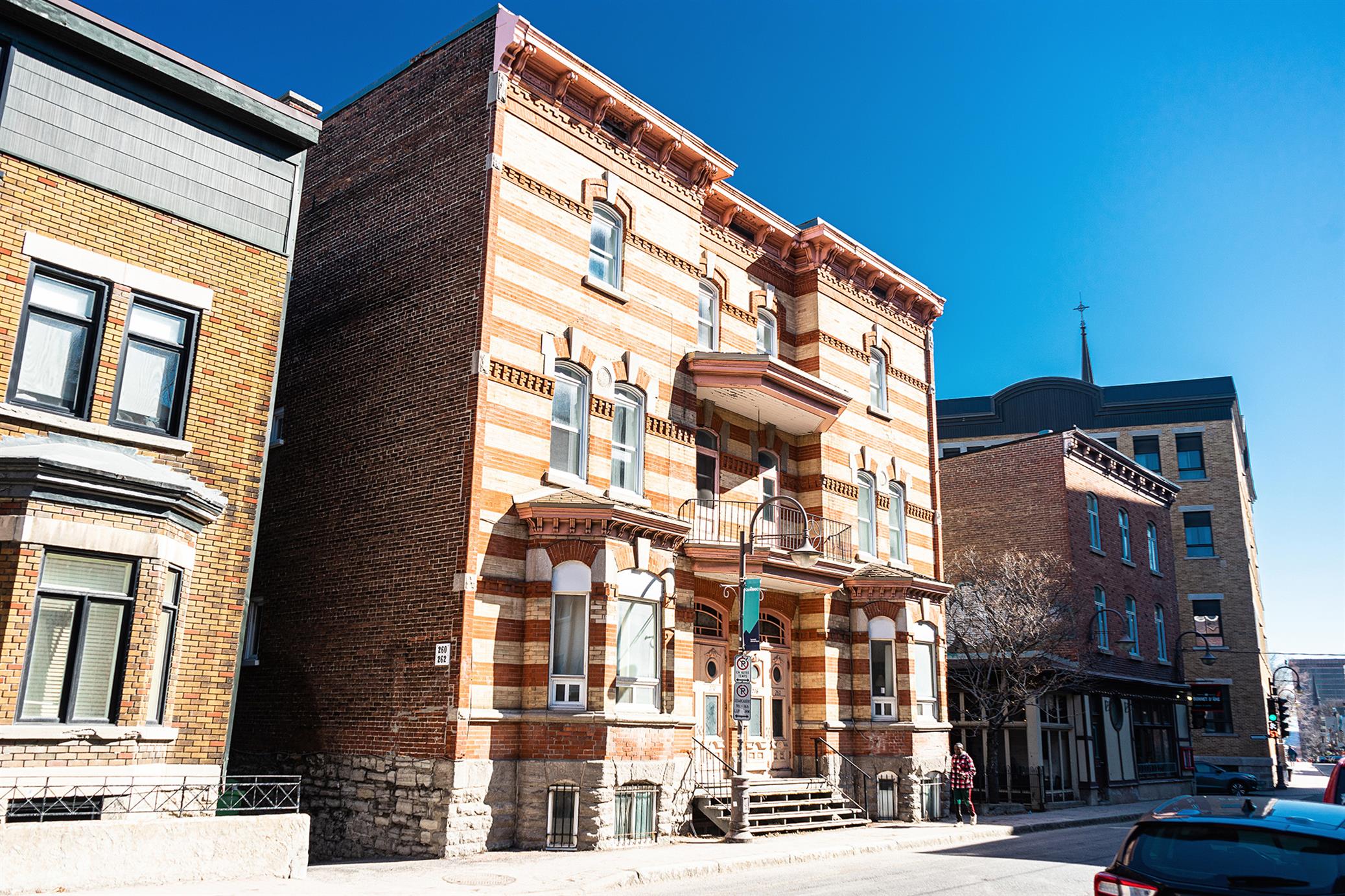
A good visit takes 15–20 minutes if you know what you are looking at. A useful checklist:
Inside the unit:
- Water pressure and hot water response in both kitchen and bathroom.
- Visible signs of moisture or mold along baseboards, windowsills, and under sinks.
- Window condition — single pane in older units can mean meaningful winter heating costs.
- Electrical capacity — older units sometimes have limited outlets or aging panels.
- Storage and closet space — Quebec apartments vary wildly here.
- Floors, walls, and ceilings — check for cracks, soft spots, or recent paint over older damage.
In the building:
- Common areas — clean, well-lit, and maintained, or visibly neglected?
- Stairwells and entrances — secure entry, working locks, and reasonable lighting.
- Laundry, garbage, and bike storage — are they accessible and functional?
Outside the building:
- Street noise and traffic at the actual time you will live there. A visit at 11 a.m. on a Tuesday does not tell you what 9 p.m. on a Friday is like.
- Parking situation if you have a car. Some streets have winter restrictions that surprise newcomers.
- Distance to your real daily destinations — walk it, do not just look at a map.
Ask the current tenant, if present, what they like and what they would change. Honest answers from outgoing tenants are some of the most valuable information in a rental search.
How to Submit a Strong Application
Once you find a unit worth pursuing, move quickly and present well.
- Submit the same day if possible. Landlords often select before formal deadlines when a strong application arrives early.
- Include your full document package in one organized message, not piecemeal.
- Write a real cover note, not just a name and number. Three or four sentences explaining who you are and why this apartment fits your life is enough.
- Be reachable. Quick responses to follow-up questions matter more than most renters realize.
- Confirm the legal terms — the lease (Form TAL), the rent, the start date, what utilities are included, and any building rules — before signing anything.
Avoid pressure-driven decisions. A landlord who insists you sign within an hour, asks for cash deposits, or refuses to provide a written lease is showing you exactly who they will be as a landlord. Walk away calmly.
Red Flags That Should End a Conversation
Several patterns in 2026 should send a renter to the next listing:
- Requests for first-and-last-month rent in cash, off-record. Quebec law restricts what landlords can ask for upfront; aggressive deposit demands are a warning sign.
- No formal lease offered. Every legitimate Quebec rental uses the standard TAL lease form.
- Pressure to skip viewing the unit. Anyone insisting you commit before seeing the apartment is misrepresenting either the property or themselves.
- Listings that look unusually cheap for the neighborhood. Rental scams remain active in Quebec City. If a price is far below the market, verify the listing, the ownership, and the contact person before transferring any money.
- Buildings with obvious deferred maintenance in common areas. A landlord who neglects the hallways will neglect your unit, too.
Renters who want a deeper walkthrough of Quebec tenant rights and how the standard lease actually works will find the resource library at Frédéric Murray Rentals directly relevant.
Timing Your Search Around the Quebec Rental Calendar
Quebec’s rental market still follows a strong cycle anchored on July 1, the traditional lease end date. The practical implications for renters:
- March through May is the heaviest search season. Inventory is highest, but so is competition.
- June can offer late opportunities as some owners hold out on slow-moving units.
- July 1 itself is moving day, with most leases starting that date.
- Fall and winter searches have lower competition but meaningfully less inventory. If you can be flexible on timing, off-peak searches sometimes find quality units with less pressure.
Plan your search 60–90 days before your desired move-in date for the best balance of options and decision time.
Putting It All Together
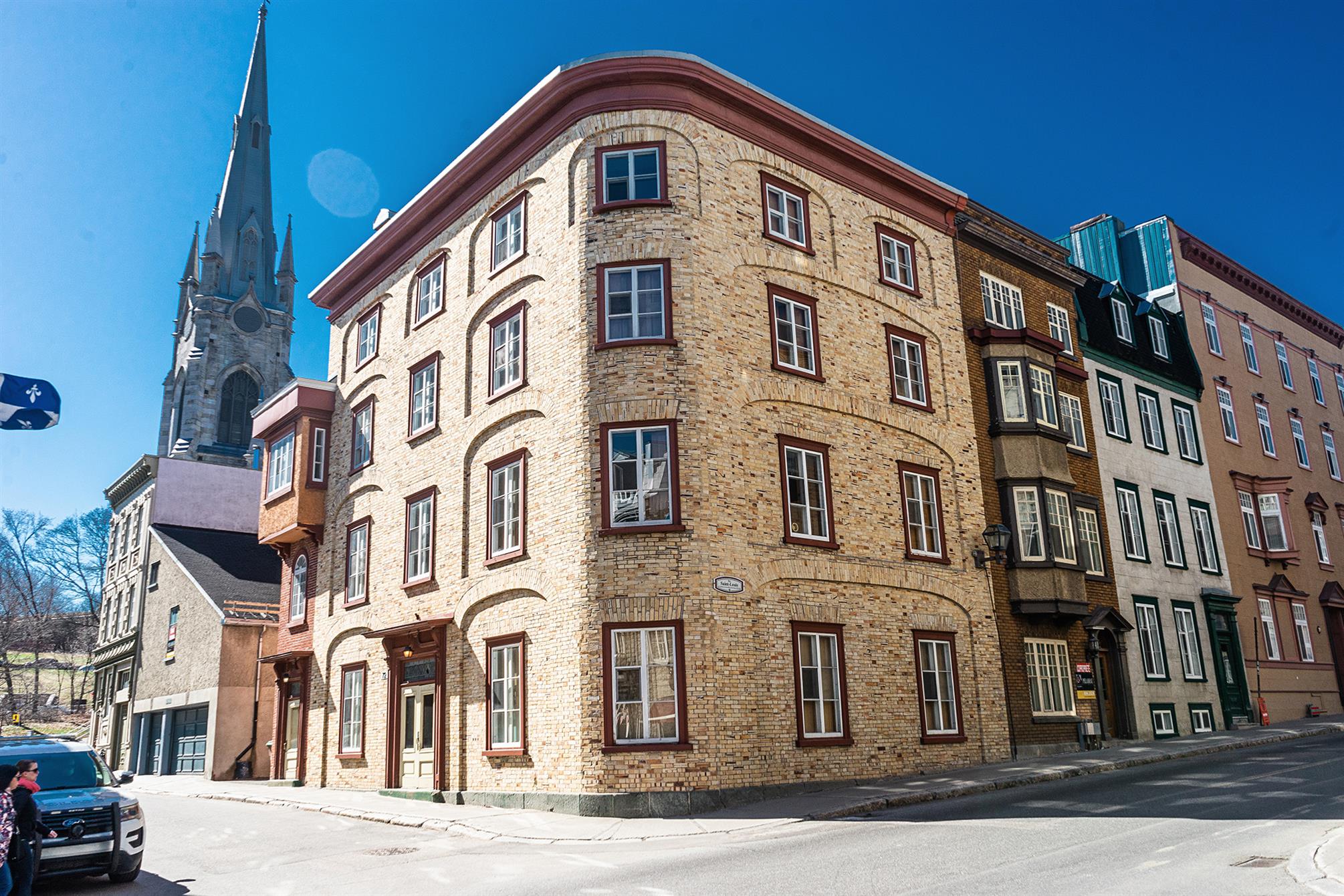
The renters who consistently land good Quebec City apartments in 2026 follow the same pattern. They define their neighborhood and budget honestly. They prepare a complete document package before they tour. They visit with a real checklist. They submit fast and present well. And they walk away calmly from situations that show warning signs.
If you are starting your Quebec City apartment search and would like guidance on neighborhoods, current availability, or how to position your application competitively, the Frédéric Murray Location team works with renters across the city and is available to help you find a unit that genuinely fits your life. For renters whose plans may eventually shift toward owning a small income property of their own, the longer-term analysis at Frédéric Murray Properties is a useful read alongside this one.





Leave a comment