
Signing a lease in 2026 is not a formality. It is a legally binding contract that governs where you live, how much you pay, what you are responsible for, and what recourse you have if something goes wrong. Renters who treat lease signing as a routine administrative step — something to skim and initial quickly before getting their keys — often discover months later that the terms they agreed to without reading carefully are now working against them.
The rental market in 2026 remains competitive in most urban and suburban areas. Low vacancy rates and sustained demand mean that landlords have options, which creates pressure on prospective tenants to move quickly when they find a suitable property. That pressure is real, but it should never translate into signing a lease you have not fully understood. A poor tenancy arrangement that costs you money, peace of mind, or both is not a better outcome than taking an extra day to review the documents properly.
This guide walks through everything a renter should evaluate before committing to a rental property lease in 2026 — from the physical condition of the unit to the legal terms of the agreement, the landlord’s responsibilities, and the financial picture beyond the monthly rent figure.
How the Rental Market in 2026 Affects What Renters Should Expect
Understanding the market context you are renting in shapes what you should realistically expect during your search and negotiation. In most Canadian markets in 2026, rental vacancy rates remain low enough that landlords are receiving multiple applications for desirable units. This dynamic affects pricing, flexibility on terms, and how quickly you need to be prepared to act.
That said, the idea that renters have no leverage in a tight market is not accurate. Landlords with well-maintained properties and professional management practices are equally selective about tenant quality — they want reliable tenants who pay on time, respect the property, and communicate proactively when issues arise. A strong rental application from a qualified tenant with a clear income history and solid references is genuinely valuable to a landlord, and that value can translate into small but meaningful negotiation opportunities on move-in dates, parking arrangements, or minor lease terms.
Renters who are flexible on timing — willing to move mid-month or to commit to a unit with a future availability date rather than an immediate one — often find better selection and marginally better terms than those who need to move on a rigid timeline. If your current lease is ending in two months, beginning your search six weeks before that date gives you more options than starting the week you need to be out.
Evaluating a Rental Property Before You Apply
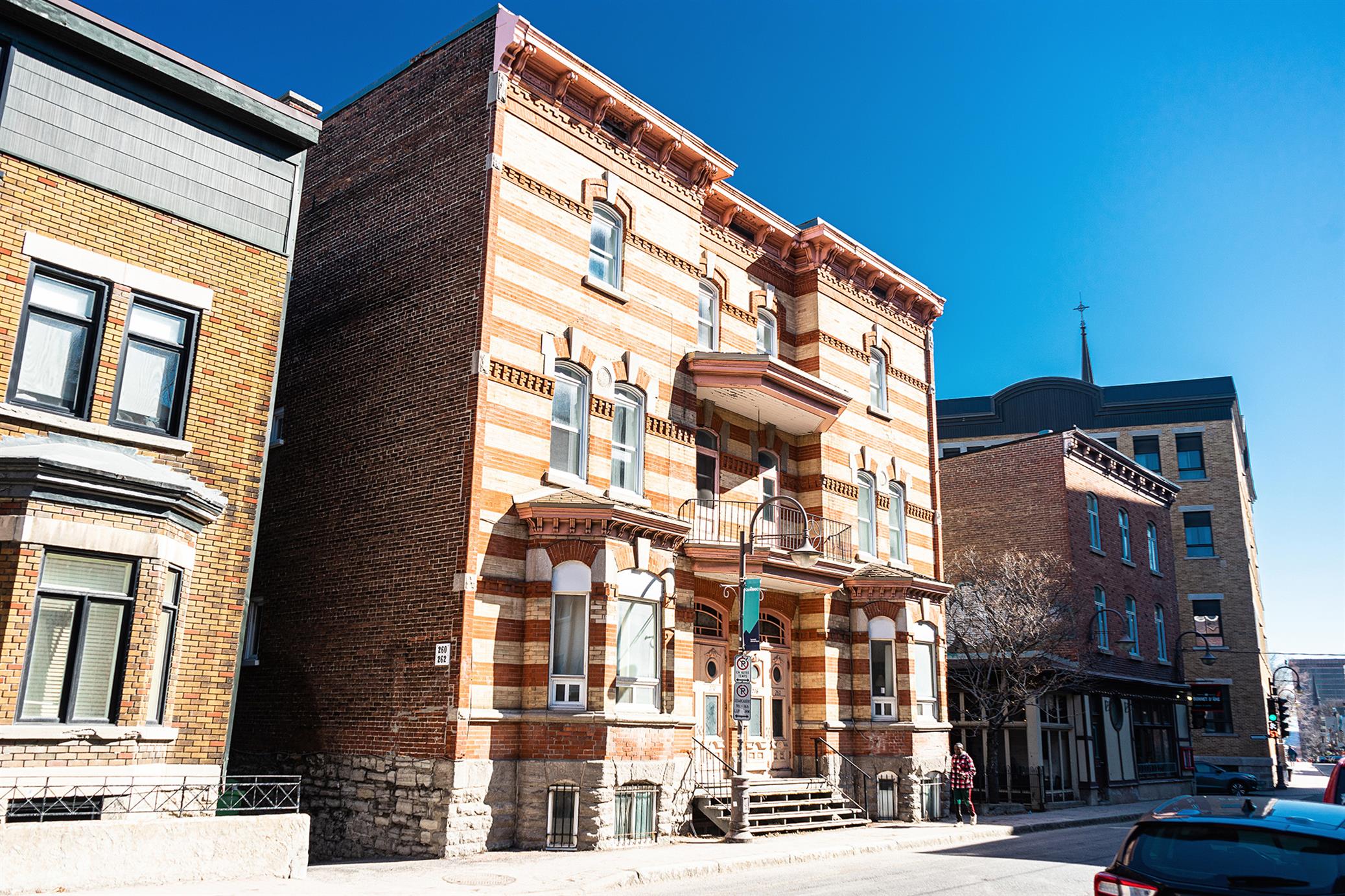
Most renters evaluate rental properties on aesthetics during a showing — does the kitchen look updated, is there enough closet space, does the building feel well-maintained. These observations matter, but they represent only part of what a thorough evaluation should cover.
Inspect the unit methodically, not casually. During a showing, check that all windows open and close properly and that the locks function. Test every tap and flush every toilet. Look at the ceilings and walls in bathrooms, under sinks, and in basement or ground-floor units for any signs of water damage or mould — staining, bubbling paint, soft drywall, or musty odour. Check that all provided appliances operate. Turn on the stove burners, run the dishwasher cycle if time allows, and verify that the oven and refrigerator are functioning. These are not invasive checks — they are reasonable assessments of a unit you are being asked to pay for monthly.
Assess the building’s common areas and management quality. The condition of hallways, entry areas, laundry facilities, and parking structures reflects how the building is managed. A lobby that is clean and maintained signals active ownership. A lobby with burned-out lights, damaged fixtures, and uncollected mail signals the opposite. Meet or speak with the property manager or landlord directly if possible — how they communicate before you sign is a reasonable preview of how they will respond when something needs repair after you move in.
Research the landlord or property management company. A brief search of the company name or the property address in landlord review forums, local tenant association resources, or court records can reveal patterns — repeated maintenance complaints, disputes over damage deposits, or history of unlawful entry — that a showing alone would never surface. This step takes twenty minutes and can prevent months of conflict.
Understand what is and is not included in the rent. Utilities, internet, parking, storage, and laundry access are included in some rental arrangements and excluded from others. A unit listed at $1,800 per month all-inclusive is not comparable to a unit listed at $1,600 per month to which you add $200 to $300 in utilities and $75 for parking. Always calculate the true monthly cost of a unit before comparing it to alternatives.
Reading a Lease Agreement: What Actually Matters
A residential lease agreement is a legal document, and every clause in it has meaning. Renters who sign without reading are agreeing to terms they may not be aware of until those terms become relevant — usually at the worst possible moment.
Rent amount and payment terms should be clearly stated, including the monthly amount, the due date, acceptable payment methods, and any late payment provisions. Understand what the consequences of a late payment are under the lease and under local tenancy legislation — the two are not always the same, and legislation typically takes precedence over lease terms when there is a conflict.
Lease term and renewal conditions define how long your tenancy is fixed and what happens at the end of the term. Many jurisdictions convert a fixed-term lease to a month-to-month arrangement automatically at the end of the term if neither party takes action. Others require explicit renewal. Know which applies to your situation so you are not caught off guard by a rent increase or a non-renewal notice you were not expecting.
Responsibilities for maintenance and repairs should be clearly allocated in the lease. Landlords are typically responsible for maintaining the unit in a habitable condition and repairing systems — heating, plumbing, electrical — that fail through normal use. Tenants are typically responsible for keeping the unit clean and reporting issues promptly. Leases that assign repair responsibilities to tenants beyond what local legislation requires deserve scrutiny before you sign.
Rules around alterations, pets, subletting, and guests are among the most commonly disputed lease provisions. If you have a pet, confirm it is explicitly permitted in writing — not just verbally. If there is a possibility you may need to sublet during the lease term, verify that the lease does not prohibit it outright, since local legislation in many jurisdictions gives tenants a qualified right to sublet regardless of what the lease says.
The deposit structure should be clear — the amount, what it covers, the conditions under which it will be returned, and the timeline for return after move-out. Photograph and document the condition of the unit thoroughly at move-in, and ideally have the landlord sign off on a condition report. This protects you at move-out from disputes over damage that was present before your tenancy began.
Financial Planning for Your Tenancy
The monthly rent is the most visible cost of renting, but it is not the only one. Building a realistic financial picture before signing helps you avoid situations where the unit that seemed affordable becomes a source of ongoing financial pressure.
Move-in costs typically include first and last month’s rent, a damage deposit in some jurisdictions, and any administrative or application fees charged by the landlord or management company. In competitive markets where units are in high demand, some landlords ask for certified payment of first and last at the time of application acceptance. Budget for these costs before you begin actively searching so you are not surprised when a landlord asks for funds within 24 to 48 hours of acceptance.
Renter’s insurance is not universally required by landlords but is strongly advisable for all tenants. A standard renter’s policy covers your personal belongings against theft, fire, and water damage, and typically includes personal liability coverage that protects you if someone is injured in your unit. Annual premiums for most renters are modest — often less than $250 to $400 depending on your coverage level and location — and the protection is disproportionate to the cost.
Utility costs vary significantly between units and buildings. A poorly insulated older building with electric baseboard heating will have dramatically higher utility costs in winter than a newer building with a shared gas heating system. Ask the landlord or property manager for typical utility cost ranges for the unit before you sign, or request consent to speak with the current or former tenant. High utility costs in an older building can easily erase the apparent savings of a lower base rent.
Rent increases are a reality of longer tenancies. Most jurisdictions regulate the frequency and magnitude of permissible rent increases for sitting tenants — but those regulations do not mean increases will not happen. Build a modest annual rent increase into your multi-year financial planning, particularly if you intend to remain in the unit for several years.
Your Rights as a Tenant in 2026
Tenancy legislation across Canadian provinces provides a meaningful framework of protections for renters, and understanding those protections in broad terms is worth the time even before a specific issue arises.
Landlords are generally required to maintain rental units in a habitable condition and to respond to maintenance requests within reasonable timeframes. They are restricted in when and how they can enter a rented unit, with most jurisdictions requiring advance written notice except in genuine emergencies. They cannot unilaterally change the terms of a tenancy mid-lease, and they are subject to regulated processes for both rent increases and evictions.
When a landlord fails to meet their obligations — by ignoring legitimate repair requests, entering without notice, or attempting to circumvent legal process — most jurisdictions provide formal dispute resolution mechanisms through a residential tenancy board or tribunal. These processes are designed to be accessible to tenants without legal representation, and filing a formal complaint is often the fastest path to resolution when informal communication has failed.
Understanding the process exists does not mean you need to use it — but knowing it is available changes the dynamic of difficult situations with a landlord and prevents tenants from accepting conditions or demands that exceed what a landlord is legally entitled to impose.
Finding Your Next Rental With Frederic Murray Location
Frederic Murray Location represents rental properties managed to professional standards, where the lease terms are transparent, the units are maintained, and the management team is responsive. Our listings cover a range of unit types and sizes across markets where we operate, and our team is available to walk prospective tenants through any questions about a specific property or the leasing process before they apply.
Browse current rental listings at fredericmurraylocation.com or contact our leasing team directly to discuss what you are looking for. We will help you find a unit that fits your needs and ensure you understand everything about your tenancy before you sign.

Suggested internal links: Link “rental listings” to the active listings page. Link “leasing team” to the contact or inquiry page.
Suggested external links: Link to a provincial or regional residential tenancy act or tribunal website when referencing tenant rights. Link to a renter’s insurance comparison resource when referencing insurance costs.





Leave a comment