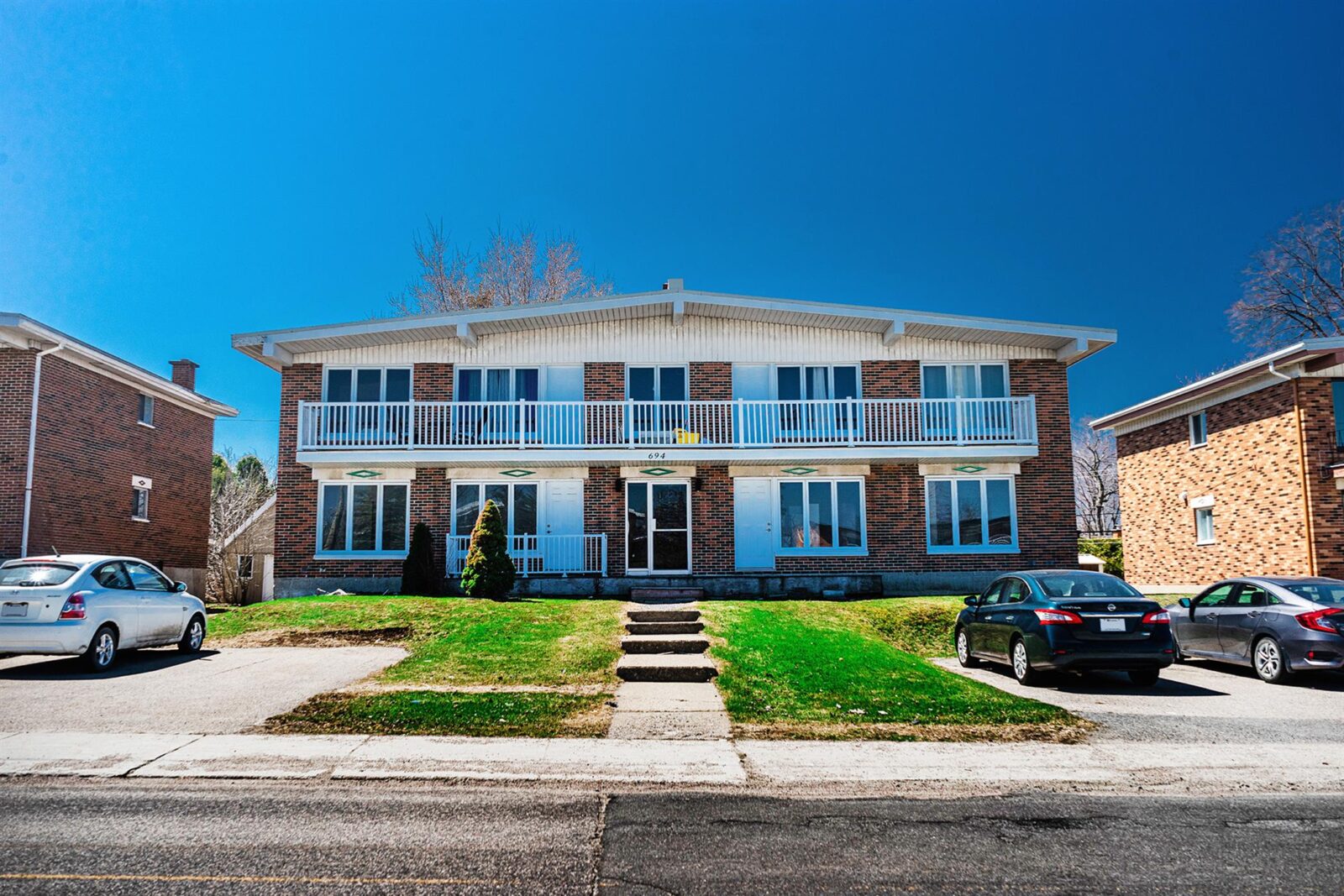
Quebec’s rental market in 2026 is one of the most dynamic — and in many areas, one of the most competitive — it has been in recent memory. Vacancy rates in Montreal, Quebec City, Sherbrooke, and Gatineau remain tight despite a modest increase in new rental supply. Rents have risen meaningfully over the past three years, and the quality gap between well-maintained professionally managed units and poorly kept privately listed ones has never been more visible.
For tenants entering or moving within this market, preparation is everything. The renters who secure the best units at fair prices are those who understand how the Quebec rental system works, what their rights are under provincial law, and what landlords and property managers actually look for when selecting tenants.
This guide covers all of it — from understanding your rights under Quebec tenancy law to what to look for in a lease before you sign.
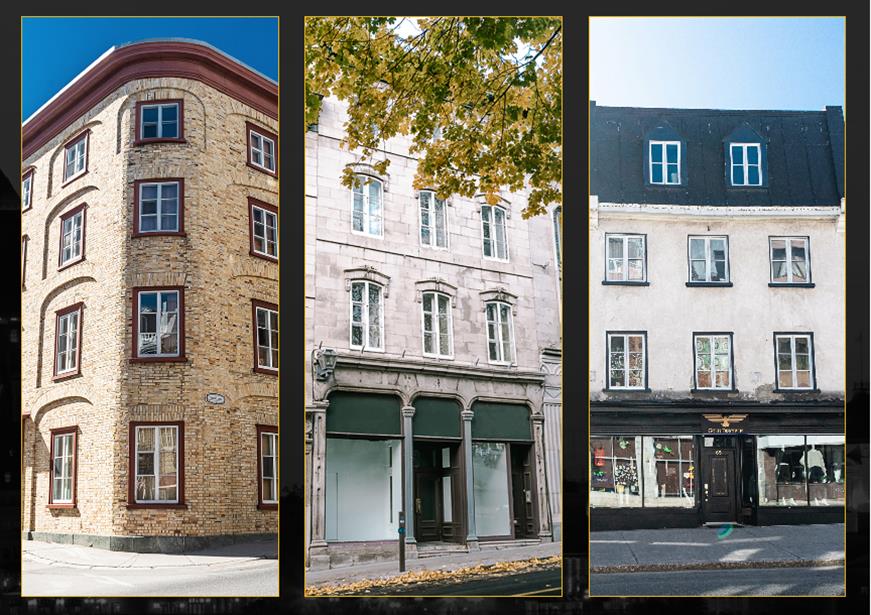
How Quebec’s Rental Market Works in 2026
Quebec is unique among Canadian provinces in how its rental market is structured and regulated. The province has a long cultural tradition of renting — particularly in Montreal, where historically the majority of households have been tenants rather than owners — and the legal framework reflects that reality with protections that are among the strongest in the country.
The Tribunal administratif du logement, or TAL, is the provincial body that governs landlord-tenant relations in Quebec. It sets annual rent increase guidelines, hears disputes between landlords and tenants, and administers the rules that govern everything from lease renewals to repossession notices. Understanding that the TAL exists and what it does is the starting point for every tenant in Quebec.
In 2026, the TAL’s annual rent increase guideline — the percentage increase that is considered reasonable for an existing lease renewal — reflects current economic conditions including operating cost increases for landlords. Tenants receiving a rent increase notice that exceeds the guideline have the right to refuse it in writing, at which point the landlord must either accept the refusal or apply to the TAL to have the increase authorized.
This system means that long-term tenants in Quebec often pay significantly less than new tenants in comparable units — a dynamic that has important implications both for tenants deciding whether to move and for landlords managing their rental income.
Understanding Your Rights as a Tenant in Quebec
Quebec’s Civil Code and the rules administered by the TAL provide tenants with robust protections that many newcomers to the province are not aware of. Knowing these rights before you rent protects you from situations that landlords — particularly inexperienced or unscrupulous ones — may try to impose.
The right to lease renewal. In Quebec, your lease renews automatically at the end of its term unless you give proper notice to vacate or your landlord has valid legal grounds to end the tenancy. A landlord cannot simply decline to renew your lease because they want a new tenant or want to raise the rent to market rates without your agreement. This automatic renewal protection is one of the most significant tenant rights in the province.
The right to refuse a rent increase. As noted above, if your landlord proposes an increase above the TAL guideline, you have the right to refuse it in writing within one month of receiving the notice. The landlord’s only recourse is to apply to the TAL — they cannot simply force the increase or threaten you with eviction for refusing.
The right to a habitable dwelling. Your landlord is legally required to provide and maintain your unit in a condition fit for habitation. This includes adequate heating, functional plumbing, structural soundness, and protection from vermin and environmental hazards. If your unit falls below this standard, you have recourse through the TAL — including the right to have repairs ordered and, in serious cases, rent reduction.
Protection against illegal eviction. In Quebec, a landlord cannot evict you informally, change your locks, remove your belongings, or cut off essential services to force you out. These actions are illegal and subject to serious penalties. If you are ever in this situation, contact the TAL immediately.
The right to assign or sublet. Quebec tenants have the right to sublet their unit or assign their lease to another person, subject to the landlord’s approval — which cannot be withheld without valid reason. This is a meaningful right for tenants who need to relocate temporarily or exit a lease early without penalty.
What to Look for Before You Sign a Lease
A lease is a legally binding contract, and in Quebec it is governed by the standard residential lease form prescribed by the TAL. Landlords are required to use this form for residential tenancies, which provides a useful degree of standardization — but the details filled into that form matter enormously.
Before you sign anything, review these elements carefully:
The rent amount and what it includes. Confirm exactly what is covered by your rent — heating, hot water, parking, storage — and what you will be responsible for paying separately. In Quebec, heating costs are frequently included in rent for older buildings but are tenant-paid in newer construction. Clarify this in writing before signing.
The lease start and end date. Standard Quebec leases run for 12 months, but other terms are legally permissible. Know exactly when your obligations begin and when they end, and understand that the lease will renew automatically if neither party takes action before the renewal deadline.
Included appliances and fixtures. The lease should list every appliance included in the rental — refrigerator, stove, washer, dryer, dishwasher — and confirm their working condition. Do not assume anything is included that is not explicitly written into the lease.
The condition of the unit at entry. Quebec’s standard lease includes a section for noting the condition of the unit at the time of move-in. Complete this section thoroughly and honestly — it is your protection when you move out. Photograph every room, every wall, every appliance, and every fixture on move-in day and keep those photos with a date stamp.
Rules about modifications. If you intend to paint, hang artwork, or make any modifications to the unit, confirm what is permitted under the lease. In Quebec, tenants are generally expected to restore the unit to its original condition upon departure.
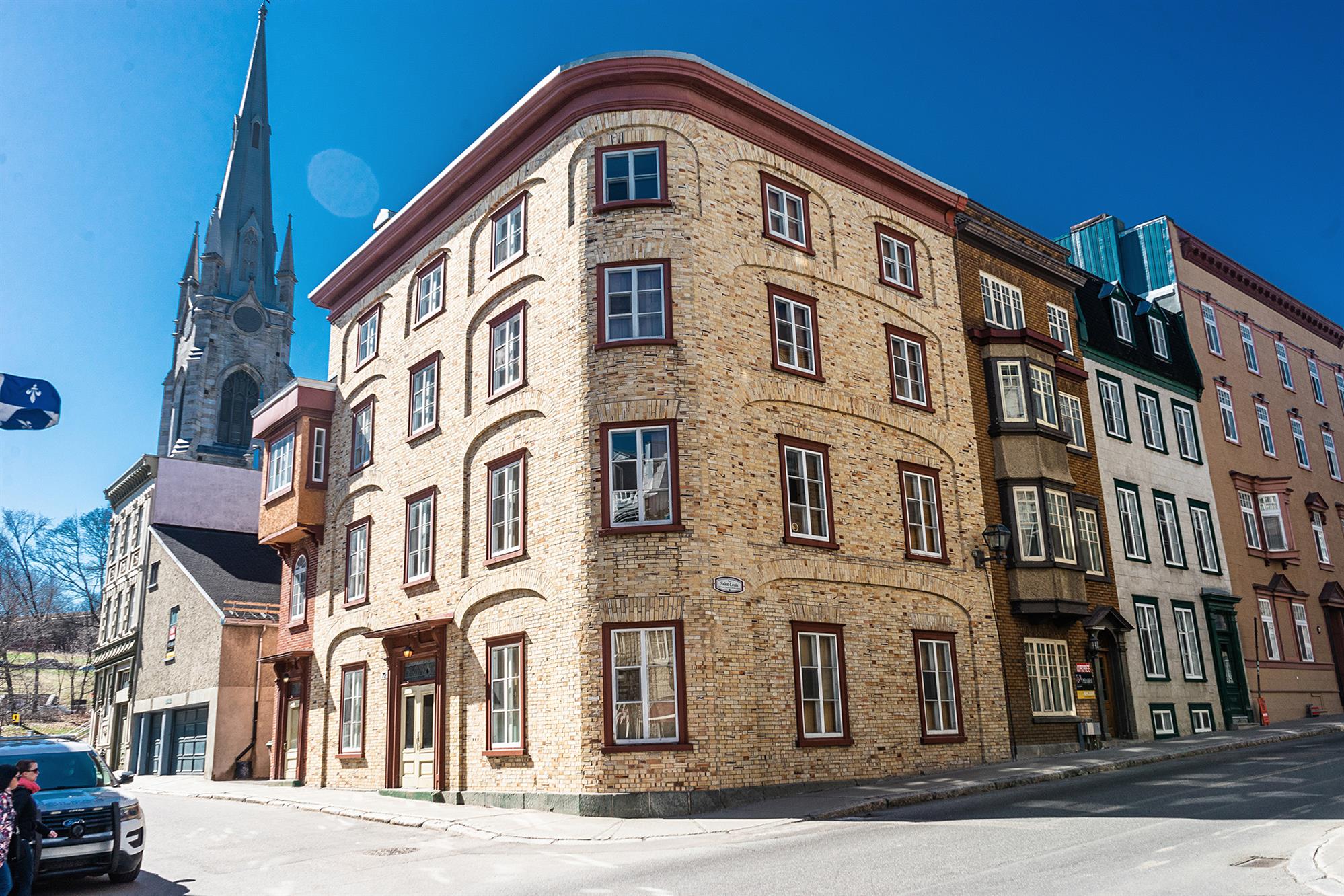
How to Present Yourself as a Strong Tenant Applicant in 2026
In a competitive rental market, the unit you want may have multiple applicants. Landlords and property managers — particularly those managing professionally maintained buildings — look for tenants who present low risk and reliable tenancy. Here is how to position yourself effectively:
Have your documentation ready. In Quebec, landlords are permitted to ask for proof of income, employment letters, and credit bureau authorization as part of a rental application. Having these documents prepared and organized before you start viewing units signals seriousness and speeds up the process considerably in your favor.
Understand your credit file. A strong credit history is one of the most important factors in rental applications for professionally managed properties. If you are new to Canada or have limited credit history, be prepared to offer additional context — a letter from a previous landlord, a co-signer, or a larger security deposit where legally permissible.
Be honest on your application. Quebec landlords who use proper screening processes will verify the information you provide. Discrepancies between what you state on an application and what verification reveals are grounds for immediate rejection — and potentially for lease termination if discovered after move-in.
Provide references proactively. A letter or contact information for a previous landlord who can confirm your payment history and conduct as a tenant is valuable in any competitive rental situation. If you have never rented before, a professional or personal reference who can speak to your reliability and character serves a similar purpose.
Finding the Right Rental in Quebec’s 2026 Market
The practical reality of Quebec’s 2026 rental market is that the best units move quickly. Properties managed by professional firms with established tenant networks often fill before they are widely advertised. This makes the relationship with a quality rental agency more valuable than ever.
Frédéric Murray Location maintains an active inventory of rental properties across Quebec — from residential apartments and condominiums to larger family homes and estate-style properties — and works with tenants to match them with units that fit their needs, budget, and timeline. For tenants specifically looking for estate or premium residential properties, Frédéric Murray Rentals offers additional inventory in that segment.
Beyond finding the right unit, working with a professional rental agency means having a point of contact who understands Quebec’s tenancy framework, can answer questions about lease terms with authority, and — for tenants interested in eventually transitioning from renting to ownership — can connect you with the broader Frédéric Murray team when that moment arrives.
Moving In: Setting the Relationship Up for Success
The first interactions between a tenant and a landlord or property manager set the tone for the entire tenancy. A few practical steps at the beginning of a lease make the experience better for everyone:
Complete the unit condition report thoroughly and submit it within the required timeframe — typically 10 days from move-in. This protects both parties.
Set up your rent payment through a reliable method — pre-authorized debit, post-dated cheques, or a verified e-transfer arrangement — and confirm with your landlord or property manager that the payment method is acceptable and correctly set up before the first due date.
Report maintenance issues promptly and in writing. A dripping faucet or a minor appliance problem is best addressed early. Allowing small maintenance issues to compound into larger ones creates friction and, in some cases, legal liability.
Communicate proactively if your circumstances change. If you anticipate difficulty with a rent payment, contact your landlord or property manager before the due date rather than after. Most situations that are communicated early can be managed; those that are avoided tend to escalate.

Making the Most of Renting in Quebec in 2026
Renting well in Quebec in 2026 means understanding the market you are entering, knowing your rights under provincial law, presenting yourself effectively as a tenant, and choosing a property and a landlord or management team that will make the experience positive from move-in day forward.
The protections available to Quebec tenants are genuine and meaningful — but they work best for tenants who know they exist and know how to use them. A well-chosen rental with a professional management team behind it offers not just a place to live, but a stable, legally protected home base from which to build the rest of your plans.
Frédéric Murray Location is here to help you find that property in 2026. Reach out to explore the current inventory and speak with a rental specialist who knows the Quebec market in depth.





Leave a comment